
[Owner's Experience] What Causes Headaches and Stomach Aches? The Mycotoxin Risk in Your Daily Coffee and How to Deal With It
Thank you as always!
I'm Kamei, owner of Gokujo Mold-Free Coffee.
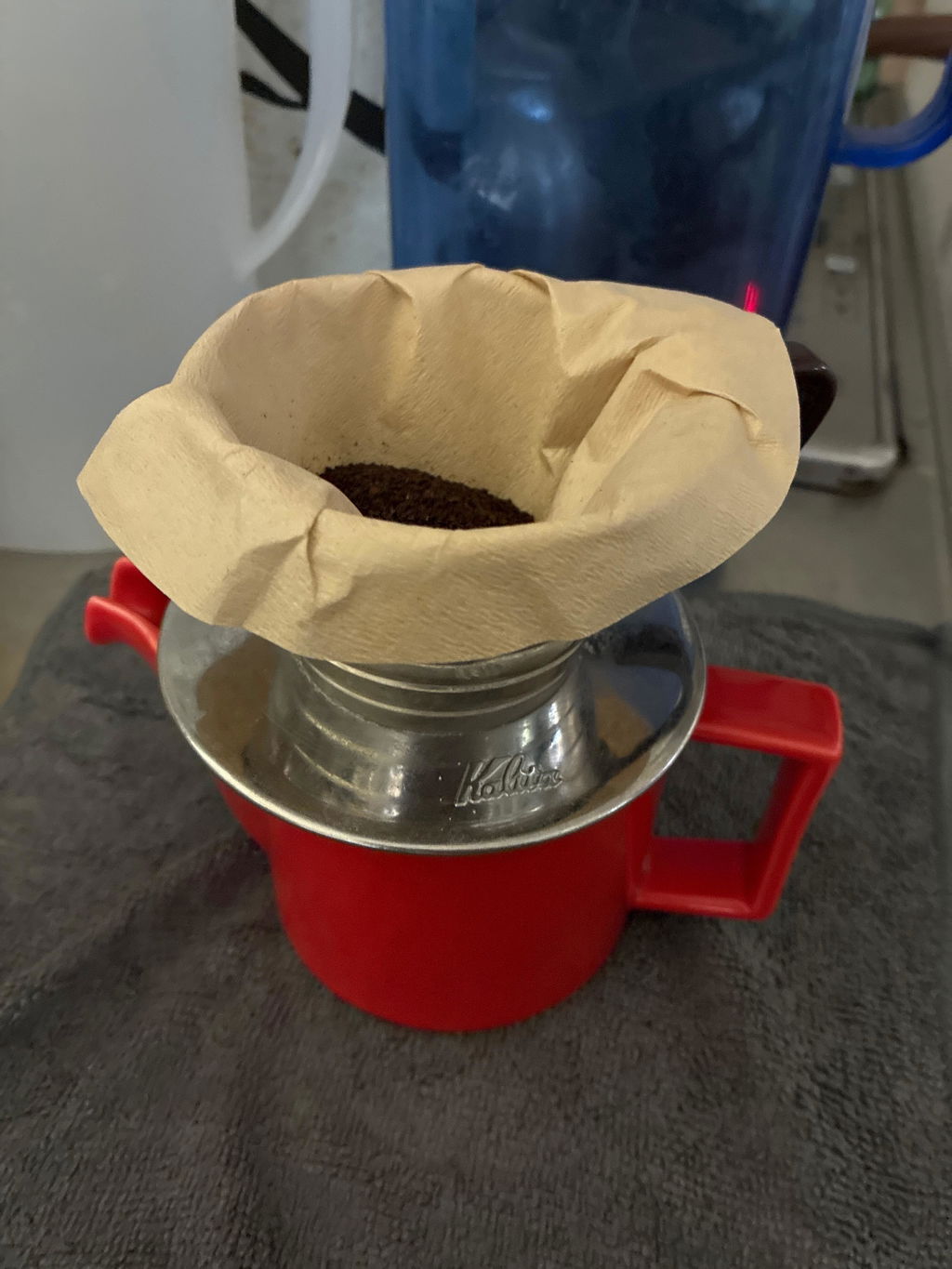
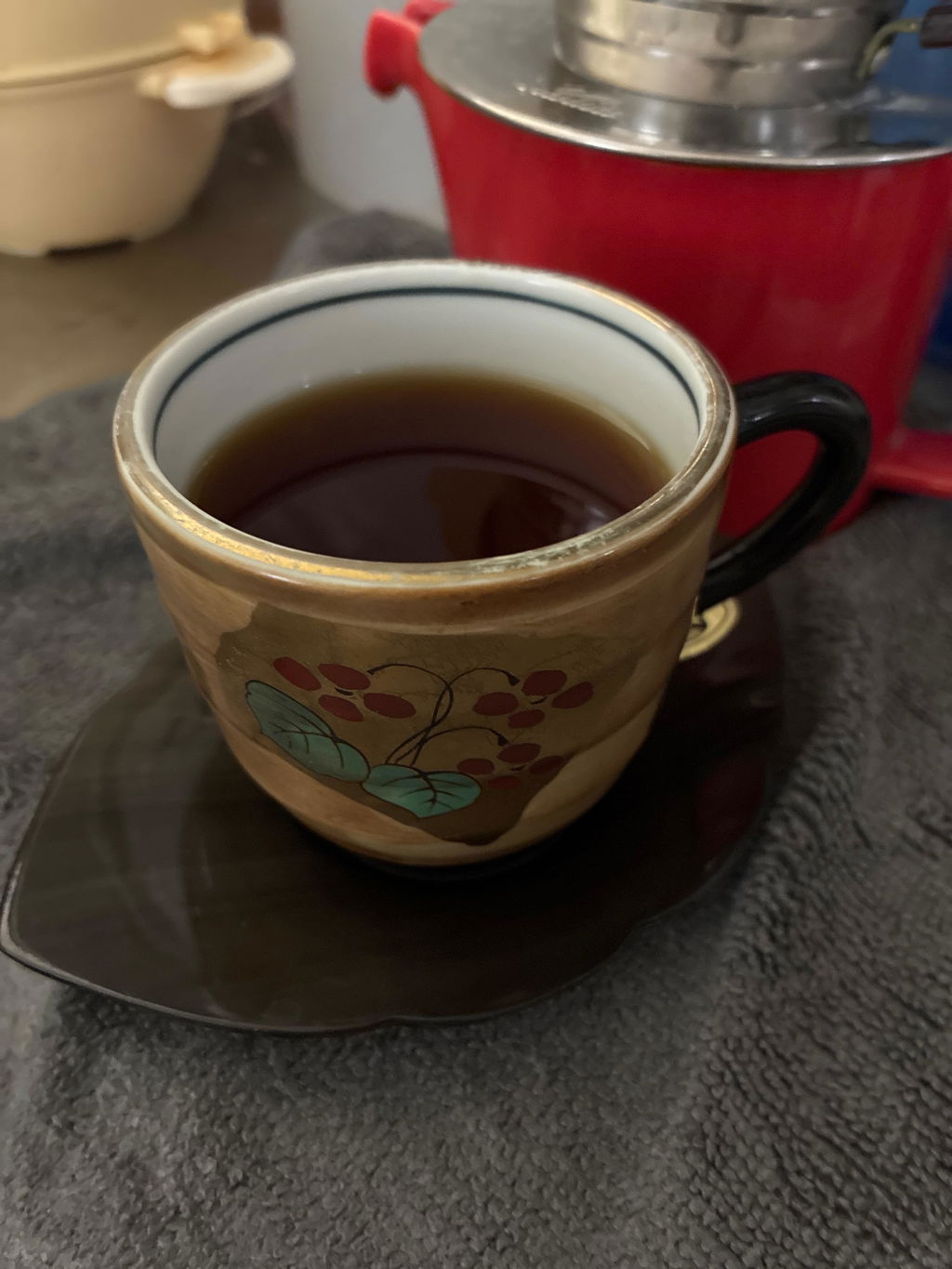
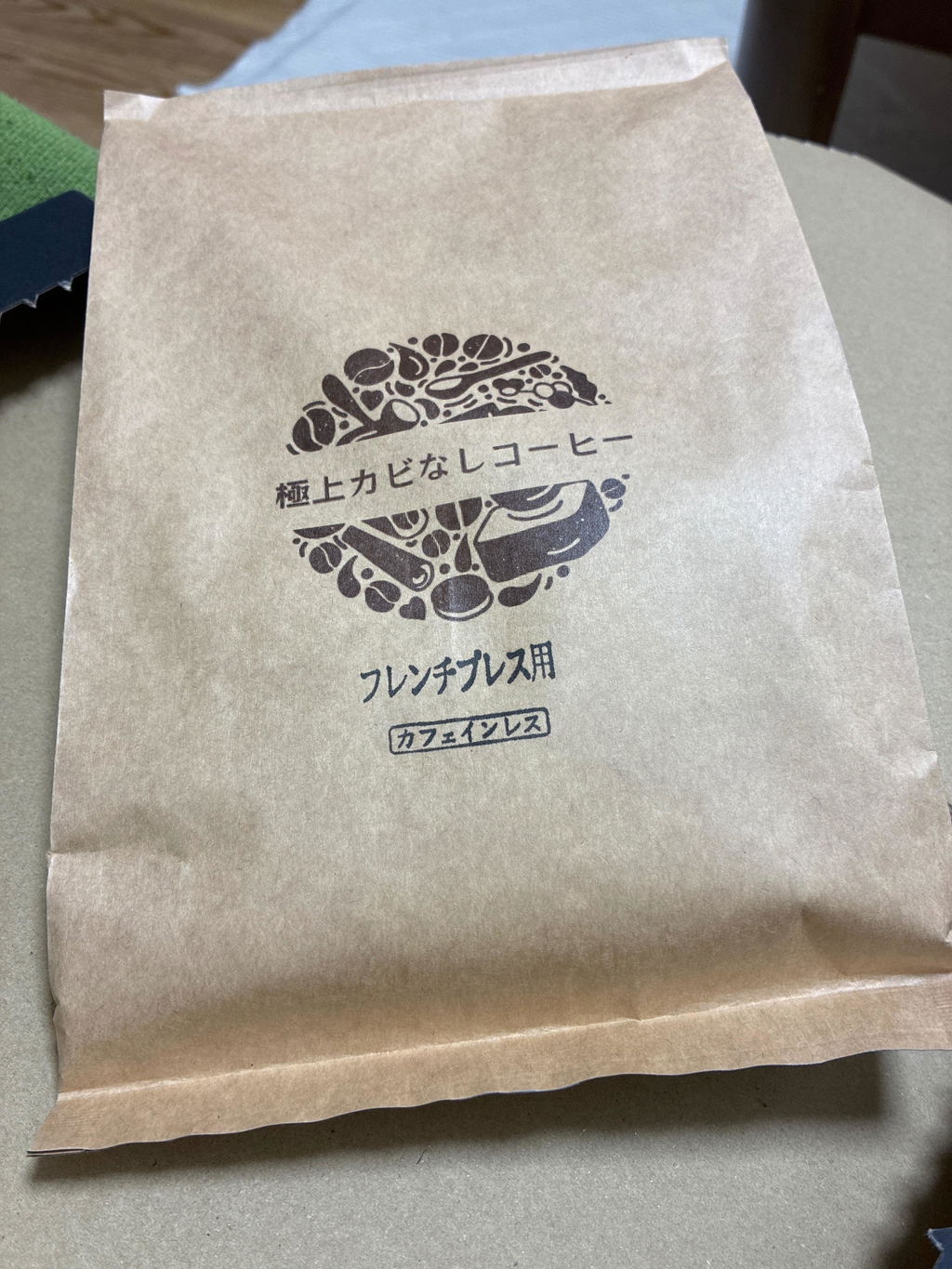
I drink this Gokujo Mold-Free Coffee every day.
That's because my body is hypersensitive to mold, causing me headaches, an upset stomach, and diarrhea.
So, today's topic is about the not-so-well-known risks lurking in the coffee we drink every day.
What are mycotoxins and why do they lurk in coffee?
Mycotoxins are a general term for harmful substances (secondary metabolites) produced by certain molds. Coffee beans are susceptible to mold growth during cultivation (often in hot, humid regions), harvesting, and transportation or storage, which poses a risk of contamination by these mycotoxins.
The two types of particular concern are "aflatoxins" and "ochratoxin A."
Potential adverse effects of mycotoxins on the body
These mycotoxins are primarily concerning for chronic health damage caused by long-term, low-dose exposure.
- Stress on internal organs
- Chronic poor health
- Carcinogenic risk
No need for excessive fear
However, there's no need for excessive fear. These mycotoxins are naturally present in many foods, not just coffee, including grains, nuts, and dried fruits.
Many studies suggest that the amount of mycotoxins in commonly distributed coffee has serious health implications. While a single exposure has little effect, daily consumption and accumulation have been shown in global research to increase the risk of mycotoxins.
Choosing "clean coffee"
To minimize the risk of mycotoxins and maximize the health benefits of coffee, we can focus on "bean selection" and "storage methods."
-
Choose high-quality beans: High-quality beans that undergo thorough refining and sorting (hand-picking) tend to have a lower risk of mycotoxins.
-
Choose trustworthy brands: An increasing number of brands claim to be "mycotoxin-free" and have their own strict quality standards and inspections.
-
Proper storage: After opening, coffee beans or grounds should be stored in an airtight container, away from high temperatures and humidity, and consumed as quickly as possible.
P.S.:
There's an article about Kamei if you'd like to take a look.
Who is the shop owner?
https://x.gd/UCTbC




![Mold-Free Drip Bags: Made with 100% JAS-certified organic beans. [Subscription: 20+ bags receive first month free & discounted prices thereafter]](http://shop.ricochet.co.jp/cdn/shop/files/Visual_Ad-2.png?v=1782308978&width=1080)
![Mold-Free Drip Bags: Made with 100% JAS-certified organic beans. [Subscription: 20+ bags receive first month free & discounted prices thereafter]](http://shop.ricochet.co.jp/cdn/shop/files/2026-02-122.28.04.webp?v=1770830984&width=1080)
![Mold-Free Drip Bags: Made with 100% JAS-certified organic beans. [Subscription: 20+ bags receive first month free & discounted prices thereafter]](http://shop.ricochet.co.jp/cdn/shop/files/2026-02-12_2.28.49.webp?v=1770831008&width=1080)
![Mold-Free Drip Bags: Made with 100% JAS-certified organic beans. [Subscription: 20+ bags receive first month free & discounted prices thereafter]](http://shop.ricochet.co.jp/cdn/shop/files/2026-02-12_2.28.12.webp?v=1770831021&width=1080)
![Mold-Free Drip Bags: Made with 100% JAS-certified organic beans. [Subscription: 20+ bags receive first month free & discounted prices thereafter]](http://shop.ricochet.co.jp/cdn/shop/files/Visual_Ad-2_1800x1800.png?v=1782308978)
![Mold-Free Drip Bags: Made with 100% JAS-certified organic beans. [Subscription: 20+ bags receive first month free & discounted prices thereafter]](http://shop.ricochet.co.jp/cdn/shop/files/2026-02-122.28.04_1800x1800.webp?v=1770830984)
![Mold-Free Drip Bags: Made with 100% JAS-certified organic beans. [Subscription: 20+ bags receive first month free & discounted prices thereafter]](http://shop.ricochet.co.jp/cdn/shop/files/2026-02-12_2.28.49_1800x1800.webp?v=1770831008)
![Mold-Free Drip Bags: Made with 100% JAS-certified organic beans. [Subscription: 20+ bags receive first month free & discounted prices thereafter]](http://shop.ricochet.co.jp/cdn/shop/files/2026-02-12_2.28.12_1800x1800.webp?v=1770831021)


