
The fact that 99% of coffee is "water"
Thank you as always.
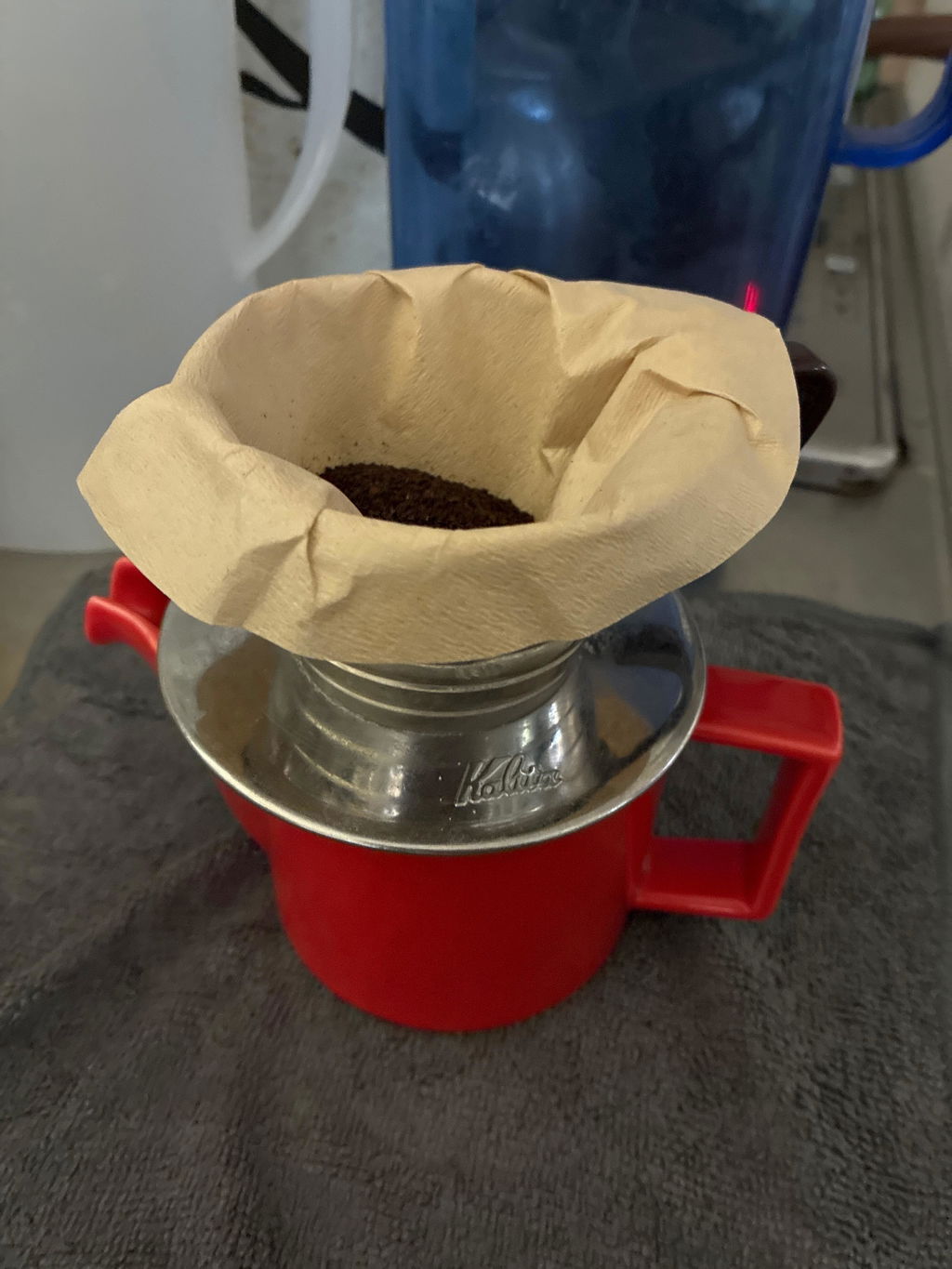
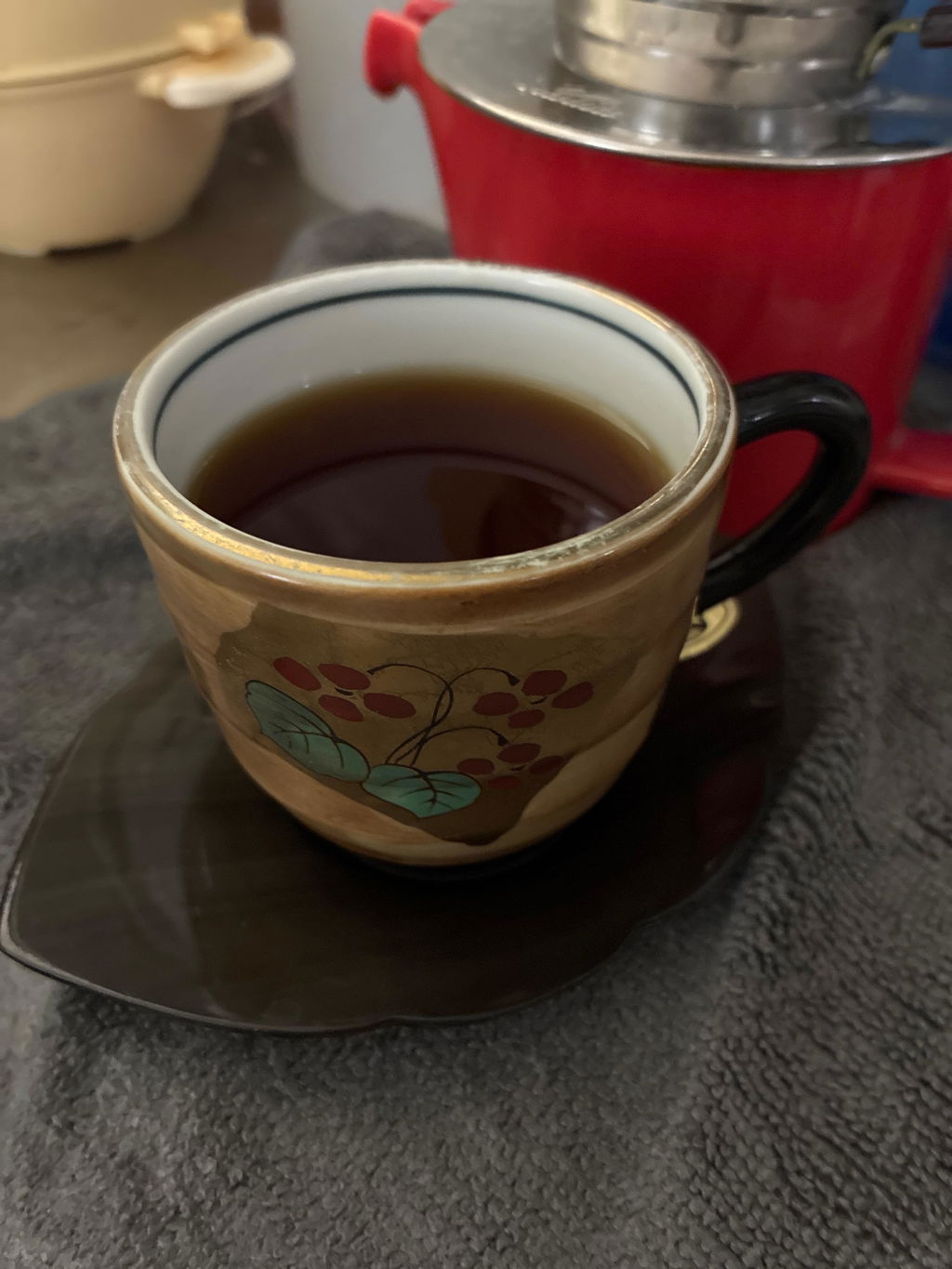
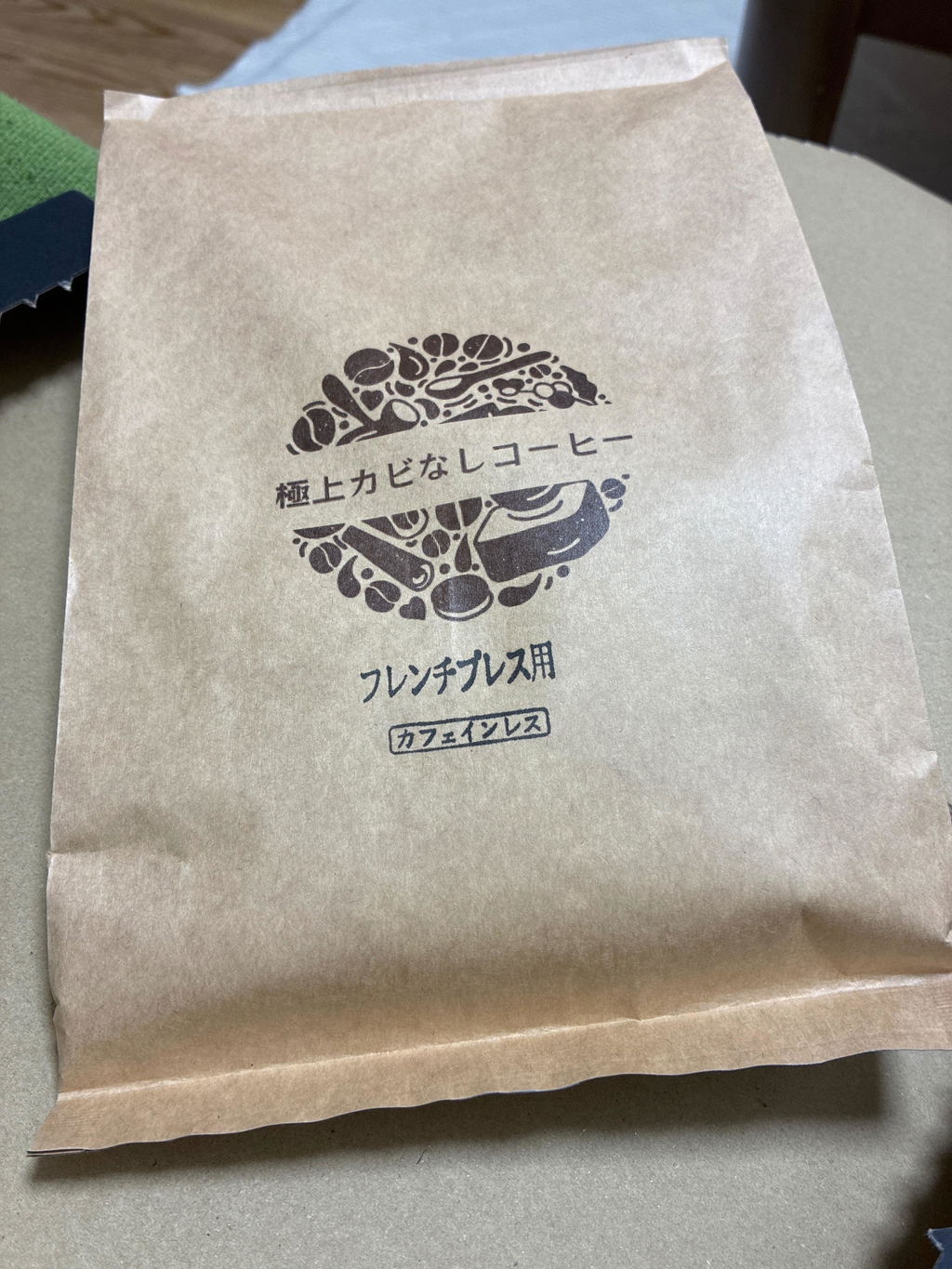
This is Gokujo Mold-Free Coffee.
Of the components in drip coffee, only 1-2% are soluble substances derived from coffee beans. The remaining 98-99% is all water. In other words, it is no exaggeration to say that it is the water itself, not the beans, that forms the backbone of coffee's taste.
Most people pour their heart and soul into selecting the most expensive beans and buying the best grinder. However, if you ignore the chemical properties of water, the "solvent" that brings out the potential of those beans, you can never achieve a truly clean cup. (From "The Bulletproof Diet" by Dave Asprey)
1. Hardness changes the "resolution" of taste
The mineral content in water, especially the amount of calcium and magnesium (hardness), greatly affects extraction efficiency.
-
Hard water: If there are too many minerals, the coffee components may not dissolve sufficiently, often resulting in a heavy, somewhat muddy taste.
-
Soft water: Soft water, which is common in Japanese tap water, is suitable for bringing out the delicate acidity and sweetness of beans, but if the hardness is too low, the taste can become hollow and lacking in body.
To maximize the transparency of the "mold-free coffee" we seek, soft to medium-hard water with a moderate mineral balance is ideal.
2. The truth about residual chlorine (calcium hypochlorite) that robs "aroma"
Chlorine contained in tap water is a public health measure to prevent mold and bacteria, but it is the biggest enemy of coffee.
Chlorine combines with the volatile aroma components of coffee, creating an unpleasant chemical odor. Furthermore, chlorine itself reacts with polyphenols, which are antioxidants in coffee, and even risks impairing their health benefits.
Clean water completes "mold-free coffee"
If you are using extremely clean beans that have passed mold toxin tests, the water used for extraction should also be extremely clean.
3. Breaking the chain of impurities
No matter how much mold toxins are removed from the beans, if the water used for extraction contains heavy metals such as lead or mercury, or rust (iron) from old pipes, the value as an investment in your body will be halved.
The strategy for optimizing the body is to eliminate impurities from every entry point. If the beans are clean, the water must also be "noise-free" through a high-performance filter. (From "The Bulletproof Diet" by Dave Asprey)
Only by brewing with impurity-free water can you fully enjoy the "clean, penetrating clarity" of mold toxin-free beans.
Summary: Water quality management is "the last and greatest self-investment"
Thorough water quality management is not just a matter of preference. It is the minimum courtesy to the bean producers, roasters, and above all, to your own desire to enjoy "the best cup."
-
Use a high-performance water purifier: Thoroughly remove chlorine and heavy metals.
-
Adjust hardness: Be mindful of the balance that brings out the unique characteristics of the beans.
-
Temperature control: At an appropriate temperature around 90°C that does not destroy the components.
The cleanest beans and the cleanest water. When these two are combined, "true energy" that awakens your brain and activates your mitochondria is created.
References
-
Dave Asprey, "The Bulletproof Diet"
-
Hendon, C. H., et al. (2014) "The Role of Dissolved Cations in Coffee Extraction."




![Mold-Free Drip Bags: Made with 100% JAS-certified organic beans. [Subscription: 20+ bags receive first month free & discounted prices thereafter]](http://shop.ricochet.co.jp/cdn/shop/files/Visual_Ad-2.png?v=1782308978&width=1080)
![Mold-Free Drip Bags: Made with 100% JAS-certified organic beans. [Subscription: 20+ bags receive first month free & discounted prices thereafter]](http://shop.ricochet.co.jp/cdn/shop/files/2026-02-122.28.04.webp?v=1770830984&width=1080)
![Mold-Free Drip Bags: Made with 100% JAS-certified organic beans. [Subscription: 20+ bags receive first month free & discounted prices thereafter]](http://shop.ricochet.co.jp/cdn/shop/files/2026-02-12_2.28.49.webp?v=1770831008&width=1080)
![Mold-Free Drip Bags: Made with 100% JAS-certified organic beans. [Subscription: 20+ bags receive first month free & discounted prices thereafter]](http://shop.ricochet.co.jp/cdn/shop/files/2026-02-12_2.28.12.webp?v=1770831021&width=1080)
![Mold-Free Drip Bags: Made with 100% JAS-certified organic beans. [Subscription: 20+ bags receive first month free & discounted prices thereafter]](http://shop.ricochet.co.jp/cdn/shop/files/Visual_Ad-2_1800x1800.png?v=1782308978)
![Mold-Free Drip Bags: Made with 100% JAS-certified organic beans. [Subscription: 20+ bags receive first month free & discounted prices thereafter]](http://shop.ricochet.co.jp/cdn/shop/files/2026-02-122.28.04_1800x1800.webp?v=1770830984)
![Mold-Free Drip Bags: Made with 100% JAS-certified organic beans. [Subscription: 20+ bags receive first month free & discounted prices thereafter]](http://shop.ricochet.co.jp/cdn/shop/files/2026-02-12_2.28.49_1800x1800.webp?v=1770831008)
![Mold-Free Drip Bags: Made with 100% JAS-certified organic beans. [Subscription: 20+ bags receive first month free & discounted prices thereafter]](http://shop.ricochet.co.jp/cdn/shop/files/2026-02-12_2.28.12_1800x1800.webp?v=1770831021)


