
How many cups of coffee are safe? Caffeine overdose risk and appropriate intake
You probably drink coffee every day without giving it much thought. It's an indispensable part of your routine, whether it's for a refresh during work or a morning pick-me-up. But do you ever feel anxious, wondering, "If I drink any more, will I get caffeine poisoning?"
This article explains the appropriate amount of coffee to drink to avoid negative health effects and tips to prevent caffeine poisoning.
Safe Caffeine Intake Levels
Generally, the maximum safe amount of caffeine for healthy adults to consume daily is up to 400mg. This is the guideline set by the World Health Organization (WHO) and food safety agencies in various countries.
One cup of drip coffee (approx. 150ml) contains about 90mg of caffeine, so this translates to about 4 to 5 cups per day.
However, caution is needed if you consume it all at once. It's advisable to limit your intake to 200mg per serving (about 2 cups of coffee).
What is Caffeine Poisoning?
Consuming a large amount of caffeine in a short period can overstimulate the central nervous system, leading to symptoms such as:
-
Physical symptoms: heart palpitations, nausea, hand tremors, frequent urination, abdominal pain
-
Mental symptoms: intense anxiety, agitation, panic, insomnia
These symptoms are particularly likely to occur when coffee is consumed in conjunction with energy drinks or supplements, so combining them requires caution.
Individual Differences and Points to Note
There are significant individual differences in the appropriate amount of coffee. Even if you drink the same number of cups, the effects can vary depending on your constitution and circumstances.
-
Differences in metabolic capacity: The speed at which caffeine is broken down varies depending on genetics and individual constitution. If you experience heart palpitations from a small amount, it's important to find your own appropriate intake level, even if it's below the standard guideline.
-
Drinking on an empty stomach: Drinking coffee when your stomach is empty can not only speed up caffeine absorption but also stimulate gastric acid secretion, potentially leading to stomach upset.
-
Consideration of other components: In addition to caffeine, coffee also contains oils and chlorogenic acid (polyphenols). While these have positive health aspects, excessive intake can burden the digestive system.
Enjoying Coffee Healthily
When consumed in appropriate amounts, coffee offers many benefits, such as enhancing concentration and providing relaxation.
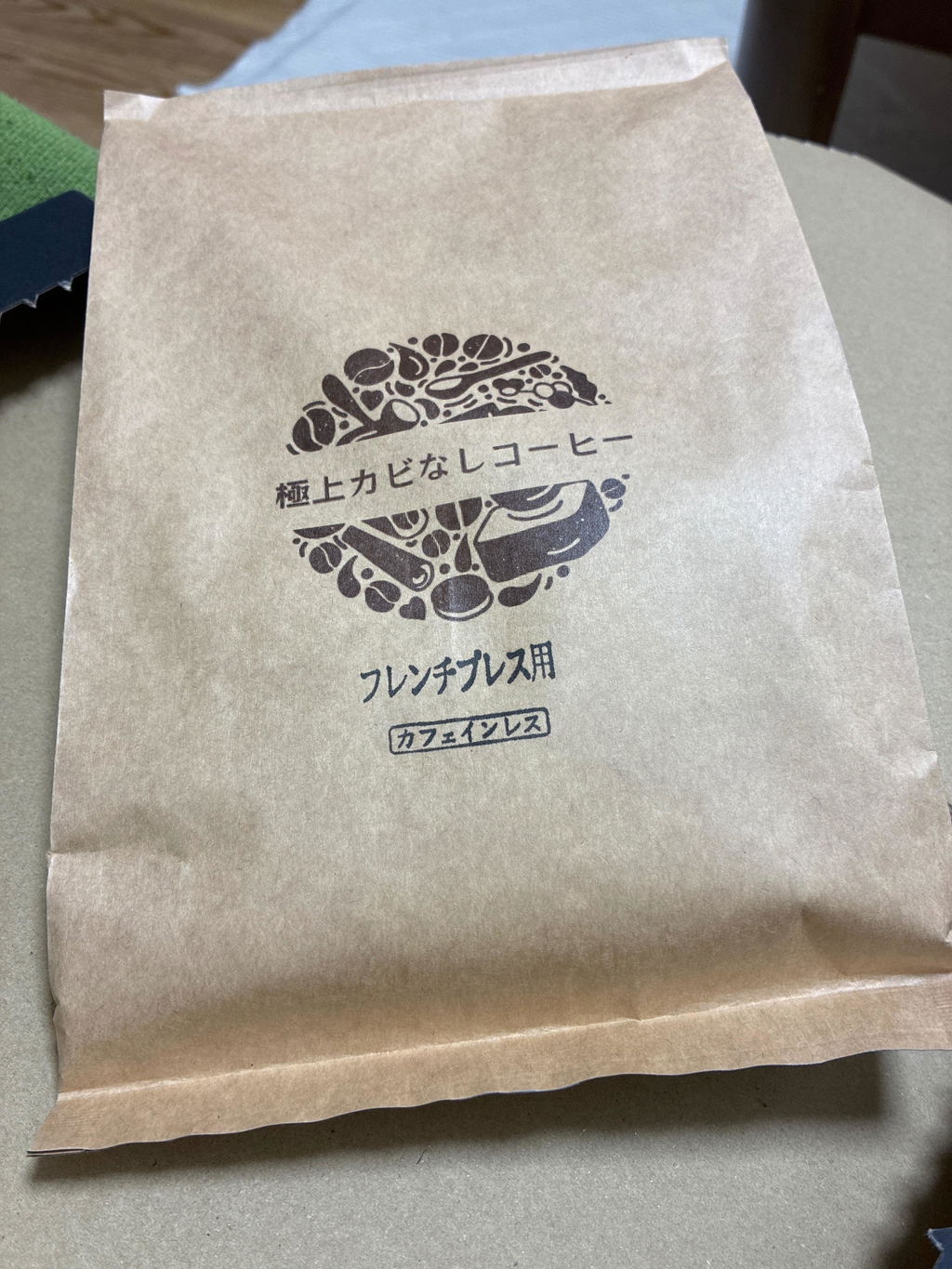
If you feel you've had "a little too much," drink plenty of water to help flush it out and try to limit caffeine for a while. Also, switching to decaf in the late afternoon or evening is a smart choice to protect your sleep quality.
Enjoy the aroma and taste while listening to your body.




![Mold-Free Drip Bags: Made with 100% JAS-certified organic beans. [Subscription: 20+ bags receive first month free & discounted prices thereafter]](http://shop.ricochet.co.jp/cdn/shop/files/Visual_Ad-2.png?v=1782308978&width=1080)
![Mold-Free Drip Bags: Made with 100% JAS-certified organic beans. [Subscription: 20+ bags receive first month free & discounted prices thereafter]](http://shop.ricochet.co.jp/cdn/shop/files/2026-02-122.28.04.webp?v=1770830984&width=1080)
![Mold-Free Drip Bags: Made with 100% JAS-certified organic beans. [Subscription: 20+ bags receive first month free & discounted prices thereafter]](http://shop.ricochet.co.jp/cdn/shop/files/2026-02-12_2.28.49.webp?v=1770831008&width=1080)
![Mold-Free Drip Bags: Made with 100% JAS-certified organic beans. [Subscription: 20+ bags receive first month free & discounted prices thereafter]](http://shop.ricochet.co.jp/cdn/shop/files/2026-02-12_2.28.12.webp?v=1770831021&width=1080)
![Mold-Free Drip Bags: Made with 100% JAS-certified organic beans. [Subscription: 20+ bags receive first month free & discounted prices thereafter]](http://shop.ricochet.co.jp/cdn/shop/files/Visual_Ad-2_1800x1800.png?v=1782308978)
![Mold-Free Drip Bags: Made with 100% JAS-certified organic beans. [Subscription: 20+ bags receive first month free & discounted prices thereafter]](http://shop.ricochet.co.jp/cdn/shop/files/2026-02-122.28.04_1800x1800.webp?v=1770830984)
![Mold-Free Drip Bags: Made with 100% JAS-certified organic beans. [Subscription: 20+ bags receive first month free & discounted prices thereafter]](http://shop.ricochet.co.jp/cdn/shop/files/2026-02-12_2.28.49_1800x1800.webp?v=1770831008)
![Mold-Free Drip Bags: Made with 100% JAS-certified organic beans. [Subscription: 20+ bags receive first month free & discounted prices thereafter]](http://shop.ricochet.co.jp/cdn/shop/files/2026-02-12_2.28.12_1800x1800.webp?v=1770831021)


