
A Comprehensive Guide to Preventing Mold in Coffee Beans: Identifying Mycotoxins, Storage Techniques, and Health Risks
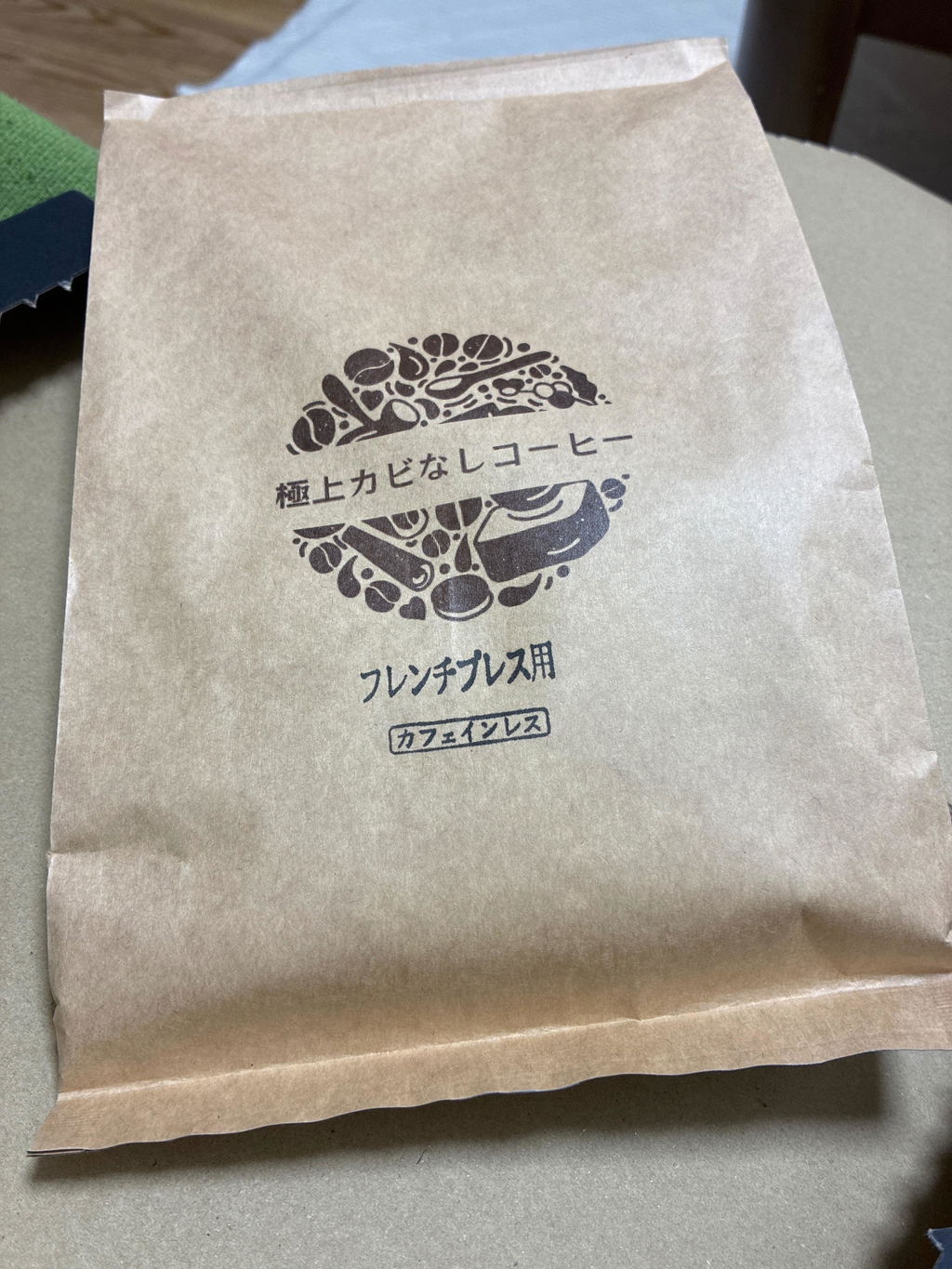
I'm Kamei, owner of Gokujo Kabi Nashi Coffee.
Have you ever picked up your favorite coffee beans and felt uneasy after discovering a whitish powder or unnatural spots on the surface? The question, "Is this mold? Or is it a component of coffee?" is one of the most frequently asked.
Mold on coffee beans not only degrades the taste but also carries the risk of containing invisible harmful substances called "mycotoxins." This time, we bring you a complete guide to mold prevention taught by a professional, to help you safely enjoy your precious beans to the very last drop.
1. [Professional Tips] 3 Ways to Reliably Identify Mold on Coffee Beans
Judging whether it's mold or not requires a comprehensive assessment using "sight," "smell," and "touch."
□ Visual Signs (Sight)
Healthy roasted beans have an oily sheen on their surface, but if mold grows, the following changes will appear:
-
Presence of foreign matter: Cottony or powdery spots that are white, green, or black.
-
Unnatural discoloration: Not a uniform brown, but parts are dull or have faded to a whitish color.
-
Bean adhesion: If beans are stuck together by mycelia, it is extremely dangerous.
□ Olfactory Signs (Smell)
The "aroma" when opening the bag is the biggest determining factor.
-
Unpleasant odor: Be careful if you notice a smell like damp old cloth, a sour smell, or an earthy smell, rather than the original savory aroma.
-
Unusual sensation during brewing: If you notice an "unpleasant smell that's different from usual" when brewing, there's a possibility that mold is progressing inside the beans.
□ Tactile Checkpoints (Touch)
-
Change in texture: Normal beans sound hard and dry, but mold can make them soft and brittle, or conversely, sticky on the surface.
2. "Three Environmental Factors" That Promote Mold Growth
Mold growth requires specific conditions. Knowing these conditions can help you take preventative measures.
-
Humidity (most important): Mold becomes active when humidity exceeds 60%, and proliferates explosively above 80%.
-
Temperature: 25°C to 30°C is mold's prime time. Japanese summers are an ideal environment for mold.
-
Inadequate storage container: Low airtightness allows external moisture to enter, and transparent containers cause oxidation due to light, creating a "weakened bean" state that mold prefers.
3. Implement Now! The Best Storage Method to Keep Mold Away
Coffee beans' worst enemies are "oxygen," "light," "temperature," and "humidity."
□ The Ironclad Rule for Choosing Containers
-
Light-blocking and airtight containers: Stainless steel or ceramic canisters are ideal. If using glass containers, always store them in a dark place, such as inside a cupboard.
-
Appropriate size: Too much air inside the container can lead to moisture buildup. Choose a size that matches the quantity of beans.
□ Correctly Differentiating Between Refrigeration and Freezing
-
For consumption within 1-2 weeks: Store at room temperature in a cool, dark place with good ventilation.
-
For long-term storage (1 month or more): Freezing is best. It almost completely stops mold activity.
-
Important note: Do not open immediately after taking them out of the freezer. "Condensation" will occur, instantly increasing the risk of mold. Always allow them to return to room temperature before opening.
-
4. [Important] Mycotoxins and Health Risks
If mold appears, don't think "what a waste"; dispose of it without hesitation.
"Mycotoxins (such as Ochratoxin A)" produced by mold can penetrate deep into the beans even if the visible parts are removed, and furthermore, they are not completely broken down even at high roasting temperatures. Ingestion has been linked to headaches, digestive issues, and chronic fatigue (brain fog).
5. "Mold-Free" Habits Starting from Purchase
Mold prevention starts even before you buy the beans.
-
Choosing a reliable retailer: Select stores that clearly state the roast date and have a high bean turnover.
-
Appropriate purchase quantity: Rather than buying a large quantity because it's "cheap," purchasing an amount that can be consumed within 1-2 weeks is the most reliable mold prevention method.
-
Choosing tested beans: Selecting beans that have undergone mycotoxin testing by a third-party organization, like our "Gokujo Kabi Nashi Coffee," leads to ultimate peace of mind.
Frequently Asked Questions (FAQ)
Q: Isn't the white powder on the surface "chaff"? A: The thin skin in the groove (center cut) of the bean is chaff, but if the entire surface of the bean is covered in powder, it's highly likely to be mold.
Q: If moldy beans are roasted, will the toxins disappear? A: No, they won't. Mycotoxins are highly heat-resistant and can remain even after roasting at over 200 degrees Celsius, so avoid consumption.
Q: Should I include a desiccant? A: Yes. Adding food-grade silica gel can help stabilize the humidity inside the container.
Summary: For a Clear Cup
Preventing mold on coffee beans directly contributes to protecting your health and performance. With proper container selection and environmental management, enjoy a "noise-free," perfect cup every day.




![Mold-Free Drip Bags: Made with 100% JAS-certified organic beans. [Subscription: 20+ bags receive first month free & discounted prices thereafter]](http://shop.ricochet.co.jp/cdn/shop/files/Visual_Ad-2.png?v=1782308978&width=1080)
![Mold-Free Drip Bags: Made with 100% JAS-certified organic beans. [Subscription: 20+ bags receive first month free & discounted prices thereafter]](http://shop.ricochet.co.jp/cdn/shop/files/2026-02-122.28.04.webp?v=1770830984&width=1080)
![Mold-Free Drip Bags: Made with 100% JAS-certified organic beans. [Subscription: 20+ bags receive first month free & discounted prices thereafter]](http://shop.ricochet.co.jp/cdn/shop/files/2026-02-12_2.28.49.webp?v=1770831008&width=1080)
![Mold-Free Drip Bags: Made with 100% JAS-certified organic beans. [Subscription: 20+ bags receive first month free & discounted prices thereafter]](http://shop.ricochet.co.jp/cdn/shop/files/2026-02-12_2.28.12.webp?v=1770831021&width=1080)
![Mold-Free Drip Bags: Made with 100% JAS-certified organic beans. [Subscription: 20+ bags receive first month free & discounted prices thereafter]](http://shop.ricochet.co.jp/cdn/shop/files/Visual_Ad-2_1800x1800.png?v=1782308978)
![Mold-Free Drip Bags: Made with 100% JAS-certified organic beans. [Subscription: 20+ bags receive first month free & discounted prices thereafter]](http://shop.ricochet.co.jp/cdn/shop/files/2026-02-122.28.04_1800x1800.webp?v=1770830984)
![Mold-Free Drip Bags: Made with 100% JAS-certified organic beans. [Subscription: 20+ bags receive first month free & discounted prices thereafter]](http://shop.ricochet.co.jp/cdn/shop/files/2026-02-12_2.28.49_1800x1800.webp?v=1770831008)
![Mold-Free Drip Bags: Made with 100% JAS-certified organic beans. [Subscription: 20+ bags receive first month free & discounted prices thereafter]](http://shop.ricochet.co.jp/cdn/shop/files/2026-02-12_2.28.12_1800x1800.webp?v=1770831021)


