
[The Cold Coffee Trap] What does it mean when the acidity and bitterness become stronger?
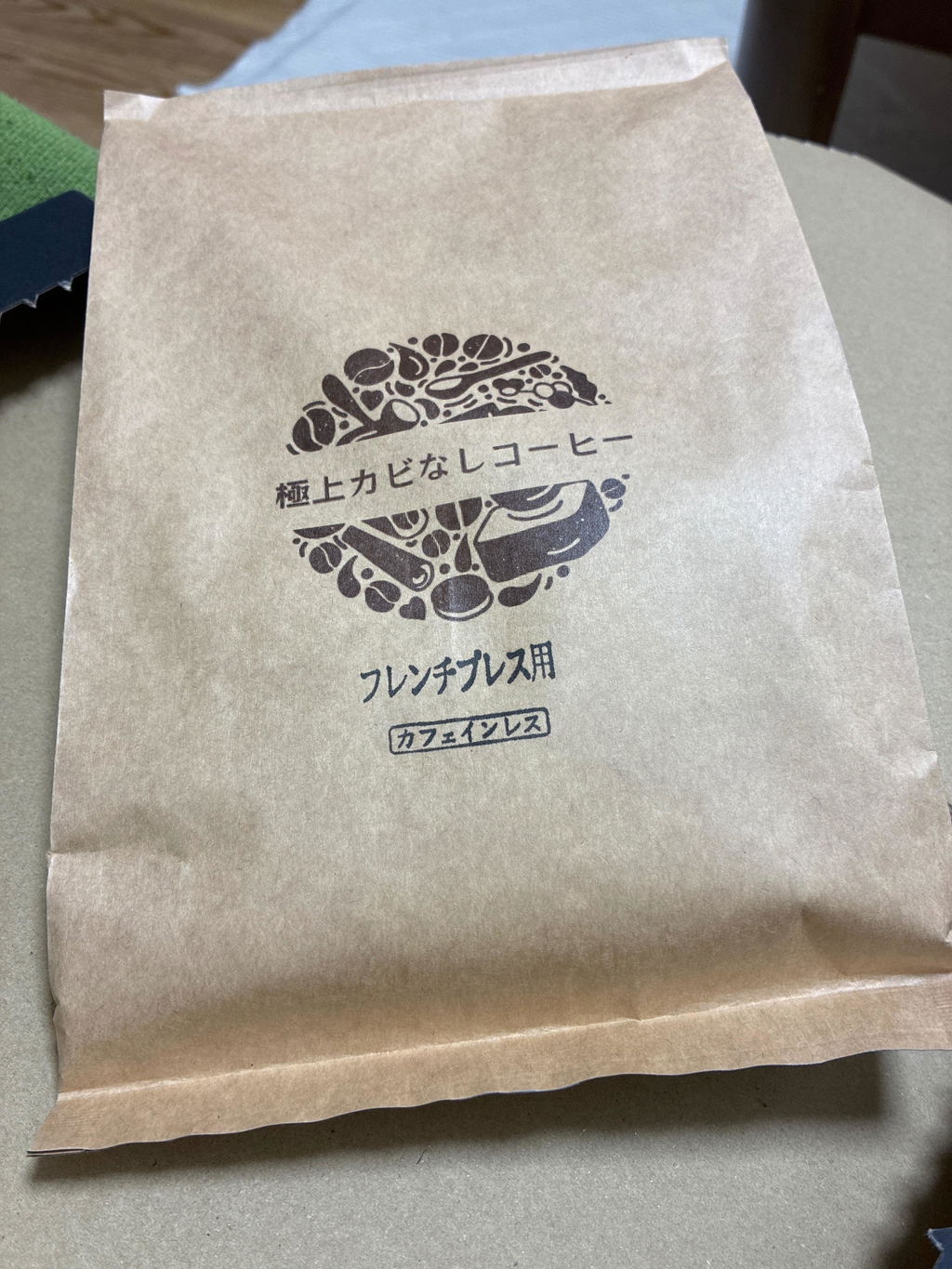
Our premium mold-free coffee.
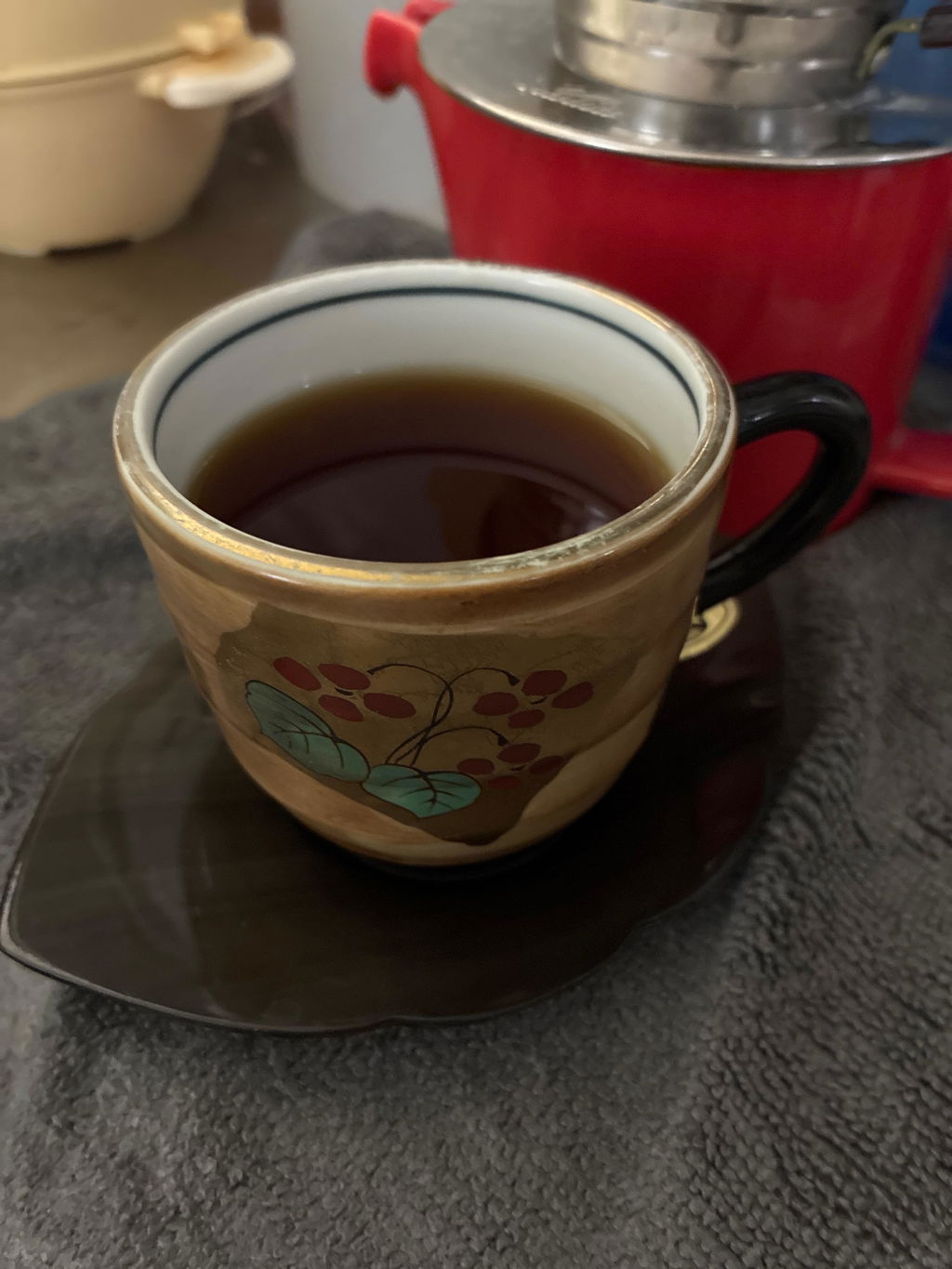
Have you ever noticed that while freshly brewed hot coffee tastes delicious, as it cools down over time, an unpleasant sourness or a harsh, throat-catching astringency becomes more pronounced?
Many people tend to dismiss this by saying, "The coffee has oxidized," or "As it cools, our taste buds become more sensitive." However, the truth is, that harsh taste might actually be a sign that moisture in the coffee beans wasn't managed properly, leading to the growth of invisible "mold."
This time, we will explain the truth about coffee quality revealed by cold coffee.
-
The True Nature of "Defective Beans and Moldy Beans" Hidden by Heat
While coffee is hot, the high temperature and rich aromatic compounds temporarily mask (hide) the inherent "defects" of the beans. However, as the temperature drops and approaches body temperature, the human tongue becomes highly sensitive to off-flavors.
That unpleasant sourness and uncomfortable harshness that spreads in your mouth when coffee cools down. These are characteristics that often appear when "moldy beans (defective beans)" – beans that retained moisture during harvesting, processing, or transport and subsequently grew mold – are mixed in. The cheaper the beans, which are not carefully hand-picked to remove moldy beans, the more noticeable the deterioration becomes when they cool down.
-
"Moisture" Remaining in Beans Attracts Mycotoxins
The ideal moisture content for green coffee beans is said to be around 10-12 percent. However, if the drying process is insufficient and too much moisture remains, or if the beans absorb moisture during transport or storage, causing their moisture content to rise, they quickly become a breeding ground for mold.
Beans with mold produce mycotoxins, which are very heat-resistant.
Quote: Many people believe that the high temperatures of roasting destroy mycotoxins. However, mycotoxins are extremely heat-resistant and are not completely broken down at normal roasting temperatures. (From "The Bulletproof Diet" by Dave Asprey)
Even after being roasted and appearing brown, beans that grew mold while retaining moisture will reveal their "toxins and mold-derived components" as a harsh taste when they cool down.
-
Truly Clean Coffee Tastes Good Even When Cold
If you feel that the coffee you are drinking is "undrinkable when cold," there is a high possibility that it contains impurities that are detrimental to your body.
Conversely, truly clean coffee beans, meticulously managed for moisture and cleared by mycotoxin tests, will, as they cool, actually highlight a clear sweetness without off-flavors, and a beautiful acidity akin to fine white wine. No unpleasant harshness will emerge even after time passes.
Dave Asprey also states in his book that coffee from which impurities have been thoroughly eliminated maximizes brain performance without hindering mitochondrial function. The fact that it tastes good even when cold is the best proof that the beans are safe and clean.
Summary
What cold coffee tells us is the integrity of the process the beans have undergone. If you feel "harshness when cold," consider the perspective that it might be due to lax moisture management and mold-affected beans.
We hope that the cup you drink every day remains pleasant to the very end even when cold, and is a clean coffee that fills your body with energy.
References: "The Bulletproof Diet" by Dave Asprey, Mancini et al. (2005) "Stability of ochratoxin A during coffee roasting."




![Mold-Free Drip Bags: Made with 100% JAS-certified organic beans. [Subscription: 20+ bags receive first month free & discounted prices thereafter]](http://shop.ricochet.co.jp/cdn/shop/files/Visual_Ad-2.png?v=1782308978&width=1080)
![Mold-Free Drip Bags: Made with 100% JAS-certified organic beans. [Subscription: 20+ bags receive first month free & discounted prices thereafter]](http://shop.ricochet.co.jp/cdn/shop/files/2026-02-122.28.04.webp?v=1770830984&width=1080)
![Mold-Free Drip Bags: Made with 100% JAS-certified organic beans. [Subscription: 20+ bags receive first month free & discounted prices thereafter]](http://shop.ricochet.co.jp/cdn/shop/files/2026-02-12_2.28.49.webp?v=1770831008&width=1080)
![Mold-Free Drip Bags: Made with 100% JAS-certified organic beans. [Subscription: 20+ bags receive first month free & discounted prices thereafter]](http://shop.ricochet.co.jp/cdn/shop/files/2026-02-12_2.28.12.webp?v=1770831021&width=1080)
![Mold-Free Drip Bags: Made with 100% JAS-certified organic beans. [Subscription: 20+ bags receive first month free & discounted prices thereafter]](http://shop.ricochet.co.jp/cdn/shop/files/Visual_Ad-2_1800x1800.png?v=1782308978)
![Mold-Free Drip Bags: Made with 100% JAS-certified organic beans. [Subscription: 20+ bags receive first month free & discounted prices thereafter]](http://shop.ricochet.co.jp/cdn/shop/files/2026-02-122.28.04_1800x1800.webp?v=1770830984)
![Mold-Free Drip Bags: Made with 100% JAS-certified organic beans. [Subscription: 20+ bags receive first month free & discounted prices thereafter]](http://shop.ricochet.co.jp/cdn/shop/files/2026-02-12_2.28.49_1800x1800.webp?v=1770831008)
![Mold-Free Drip Bags: Made with 100% JAS-certified organic beans. [Subscription: 20+ bags receive first month free & discounted prices thereafter]](http://shop.ricochet.co.jp/cdn/shop/files/2026-02-12_2.28.12_1800x1800.webp?v=1770831021)


