
Causes of fecal-smelling breath
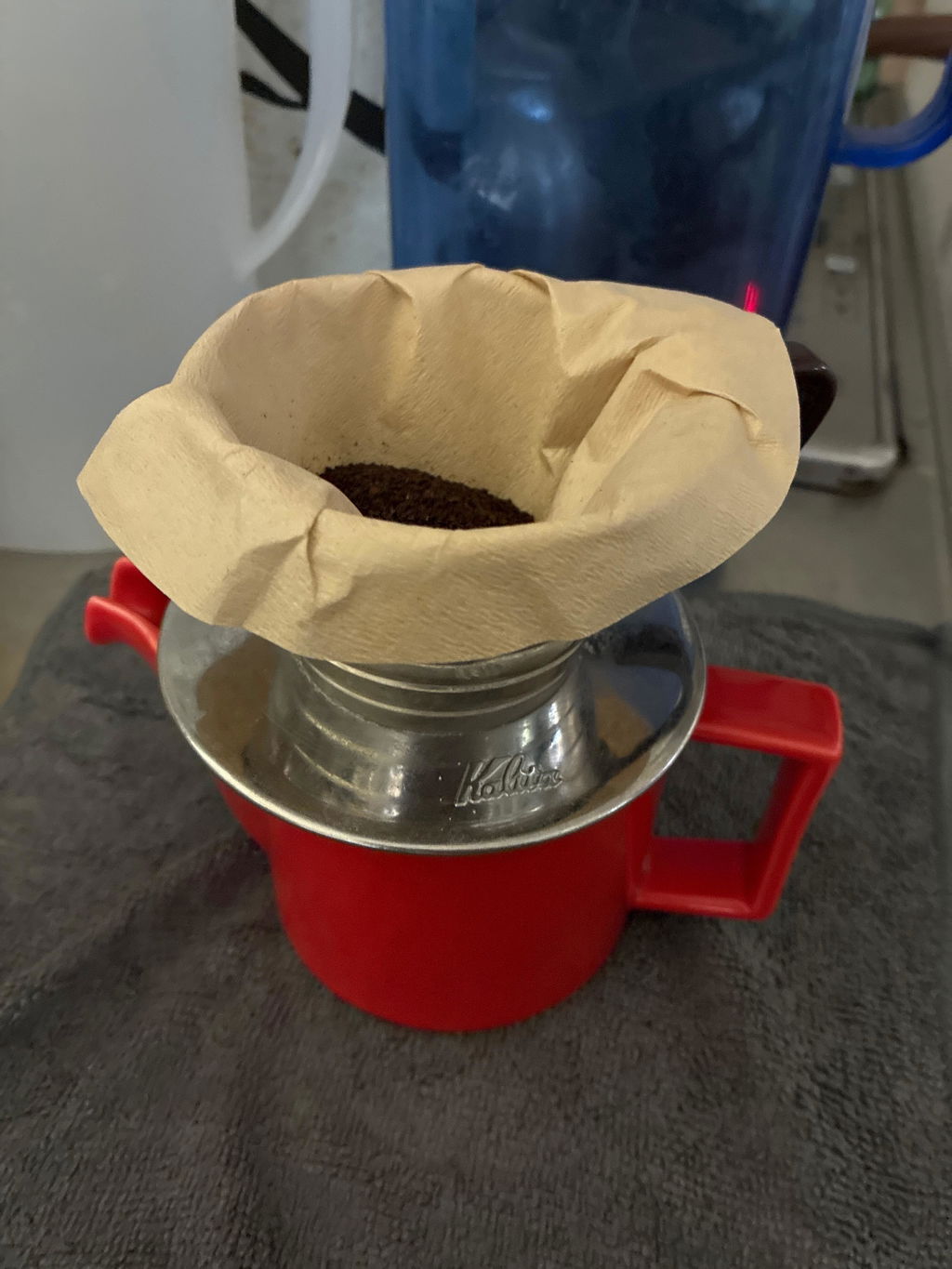
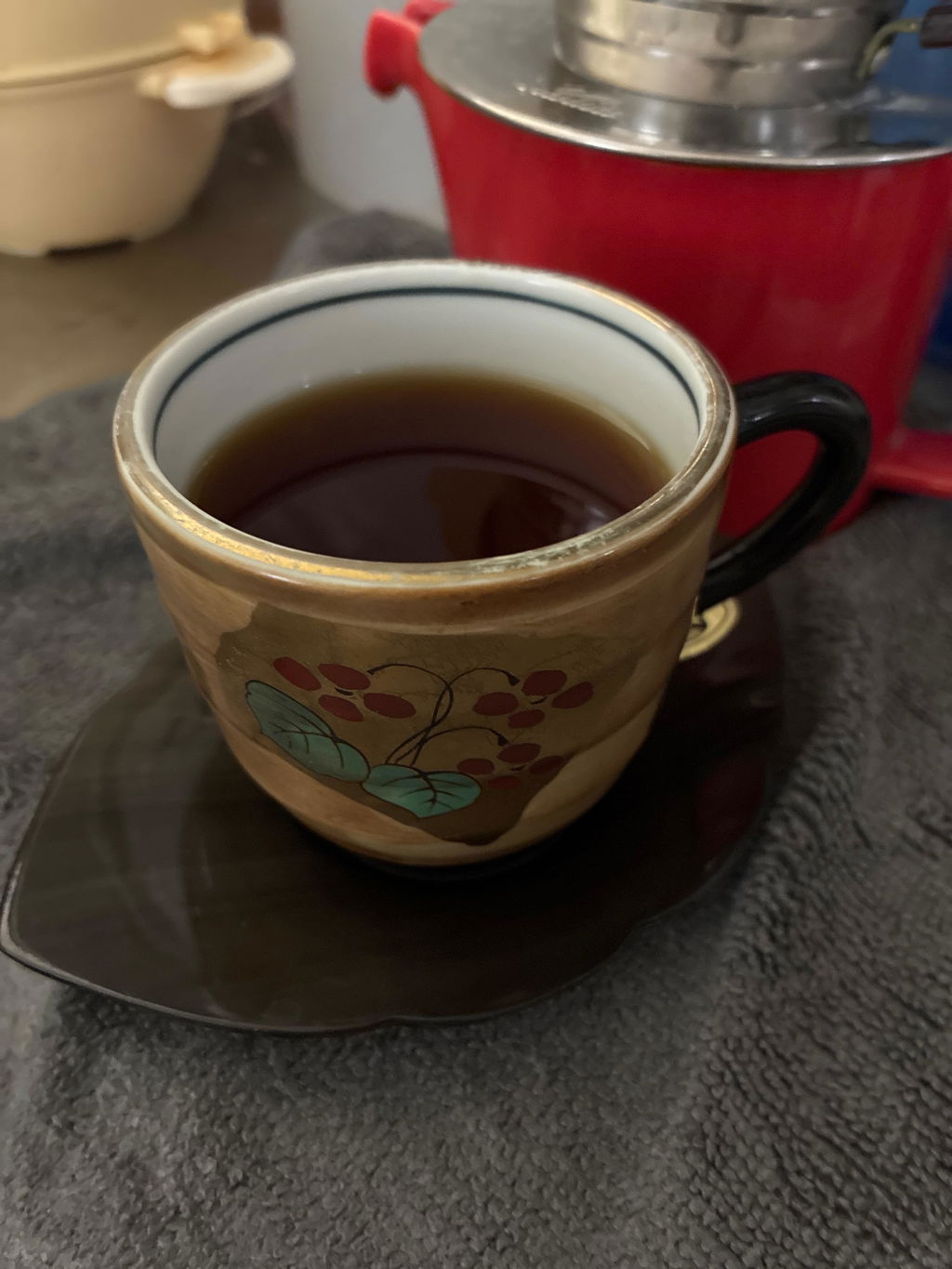
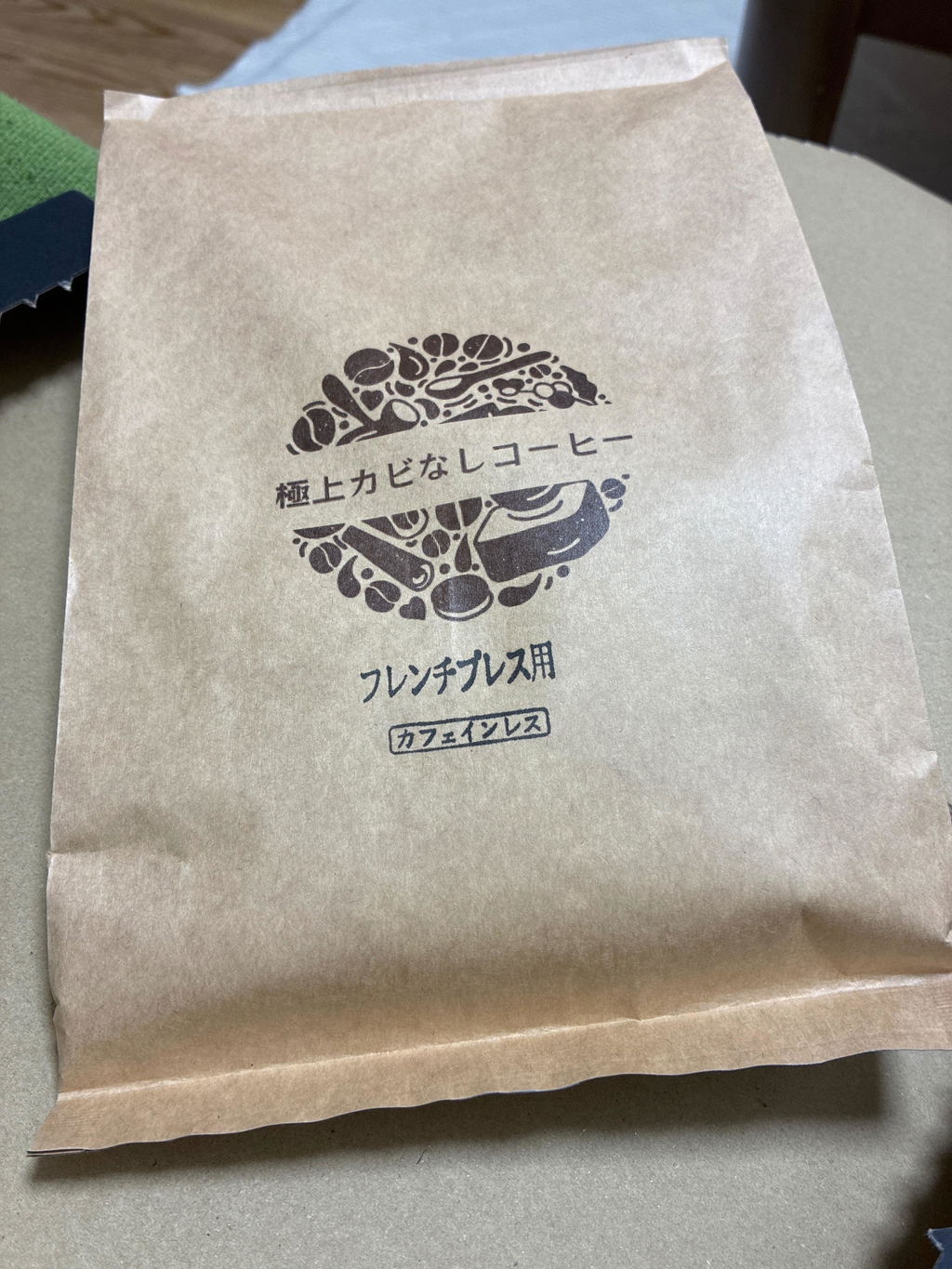
Our premium mold-free coffee.
Have you ever been startled by a "fecal-like odor" from your breath at an unexpected moment, or noticed an unpleasant smell from someone else's breath?
Bad breath is commonly attributed to insufficient brushing or foods like garlic. However, the root cause of "serious odors" that persist despite meticulous oral hygiene may actually lie in the "poor quality coffee" you drink daily, thinking it's good for you.
This article will explain the mechanism of taboo odors related to bad breath and the impact of coffee quality on the body.
-
Why does a "fecal odor" come from the mouth? The gastrointestinal mechanism behind fecal-like odors from the mouth is the deterioration of the internal bodily environment, specifically the "breakdown of the intestinal environment." In a healthy gut, food is smoothly digested and absorbed. However, when harmful bacteria become dominant and the intestines putrefy, large amounts of harmful gases (indole, skatole, hydrogen sulfide, etc.) are generated. These are the main components of a fecal odor.
Quote: "When gases (such as indole, skatole, and hydrogen sulfide) accumulate in the intestines, they are absorbed through the intestinal wall into the bloodstream, travel to the lungs, and are exhaled through the mouth as breath." (Mainichi Shimbun, "Why 'Fecal Odor' from the Mouth? Can't You Detect Your Own Bad Breath? Ask an Expert")
Odor components generated in the intestines are absorbed through the intestinal wall, circulate throughout the body via the bloodstream, and finally reach the lungs. They are then released out of the body as "bad breath" through breathing and sighs. The reason the odor doesn't disappear no matter how much you rinse your mouth is because the cause lies deep within the stomach and intestines, not in the mouth itself.
-
The Trap of "Mold Toxin Coffee" that Destroys the Gut Barrier So, why might coffee be a cause of this terrifying odor? It's possible that "mold toxins" attached to cheap, poor-quality beans circulating in the market are involved.
Quote: "Think of mold toxins as the 'scum' (toxin) of mold. What's scary about mold toxins is that they are soluble in both water and oil, so they can penetrate deep, deep into cells." (From YouTube channel "Kodemmako's gut, me & biohack" video materials)
Many people tend to believe that mold toxins disappear at high roasting temperatures, but mold toxins are extremely heat-resistant and are not completely broken down at normal roasting temperatures. Continuously drinking coffee containing mold toxins without knowing it can initiate the following vicious cycle in the body:
-
Risk of Leaky Gut: Mold toxins have been shown to damage intestinal mucosal cells and loosen the junctions between cells. This can create tiny holes in the intestines, allowing toxins and undigested substances that should normally be excreted to leak into the bloodstream.
-
Indigestion and Intestinal Putrefaction: When gastrointestinal function declines, food is not digested properly, leading to abnormal fermentation in the intestines. This directly triggers the production of intense putrid odors.
-
"Clean Choice" for Maintaining a Noise-Free Intestinal Environment The strategy for optimizing overall bodily health and maintaining clear breath involves eliminating impurities from every entry point.
Quote: "Coffee, regardless of caffeine content, changes the gut microbiome itself. This means it's a very complex beverage that can both improve and, conversely, risk worsening the intestinal environment." (From research data published in "Nature Communications" in 2026 by University College Cork, Ireland)
Because coffee directly affects the intestinal environment in such a profound way, the purity of the underlying beans is paramount. If you choose "clean coffee beans" that have been thoroughly moisture-controlled and passed mold toxin inspections by a third-party organization, they will not contain any "noise" that could harm your gastrointestinal lining. On the contrary, the beneficial polyphenols inherent in coffee will support your internal environment and lead you to clearer days.
"Even when cold, it has no unpleasant harshness and tastes delicious to the last drop." This is the standard for our premium mold-free coffee, and the ultimate proof that it won't burden your internal organs.
Summary: Does that cup keep your body beautiful? Bad breath is a barometer that tells you how murky your current internal environment is.
-
Poor quality beans: Insufficient moisture management, mold toxins, and impurities threaten the digestive system, triggering unpleasant odors.
-
Premium mold-free coffee: A cup with no "noise" at a cellular level, meticulously managed from origin to roasting.
Because it's something you drink every day, you shouldn't compromise. Update your internal system with a clean, impurity-free choice and regain a radiant clarity from within.
References
・Mainichi Shimbun: "Why 'Fecal Odor' from the Mouth? Can't You Detect Your Own Bad Breath? Ask an Expert"
・Nature Communications (2026): Research report on coffee components, the gut microbiome, and their effects on cognition and behavior (University College Cork, Ireland)
・YouTube channel "Kodemmako's gut, me & biohack" video materials




![Mold-Free Drip Bags: Made with 100% JAS-certified organic beans. [Subscription: 20+ bags receive first month free & discounted prices thereafter]](http://shop.ricochet.co.jp/cdn/shop/files/Visual_Ad-2.png?v=1782308978&width=1080)
![Mold-Free Drip Bags: Made with 100% JAS-certified organic beans. [Subscription: 20+ bags receive first month free & discounted prices thereafter]](http://shop.ricochet.co.jp/cdn/shop/files/2026-02-122.28.04.webp?v=1770830984&width=1080)
![Mold-Free Drip Bags: Made with 100% JAS-certified organic beans. [Subscription: 20+ bags receive first month free & discounted prices thereafter]](http://shop.ricochet.co.jp/cdn/shop/files/2026-02-12_2.28.49.webp?v=1770831008&width=1080)
![Mold-Free Drip Bags: Made with 100% JAS-certified organic beans. [Subscription: 20+ bags receive first month free & discounted prices thereafter]](http://shop.ricochet.co.jp/cdn/shop/files/2026-02-12_2.28.12.webp?v=1770831021&width=1080)
![Mold-Free Drip Bags: Made with 100% JAS-certified organic beans. [Subscription: 20+ bags receive first month free & discounted prices thereafter]](http://shop.ricochet.co.jp/cdn/shop/files/Visual_Ad-2_1800x1800.png?v=1782308978)
![Mold-Free Drip Bags: Made with 100% JAS-certified organic beans. [Subscription: 20+ bags receive first month free & discounted prices thereafter]](http://shop.ricochet.co.jp/cdn/shop/files/2026-02-122.28.04_1800x1800.webp?v=1770830984)
![Mold-Free Drip Bags: Made with 100% JAS-certified organic beans. [Subscription: 20+ bags receive first month free & discounted prices thereafter]](http://shop.ricochet.co.jp/cdn/shop/files/2026-02-12_2.28.49_1800x1800.webp?v=1770831008)
![Mold-Free Drip Bags: Made with 100% JAS-certified organic beans. [Subscription: 20+ bags receive first month free & discounted prices thereafter]](http://shop.ricochet.co.jp/cdn/shop/files/2026-02-12_2.28.12_1800x1800.webp?v=1770831021)


