
Actually Full of Disadvantages? Three Unknown Truths About "Decaffeinated Coffee"
Thank you as always!
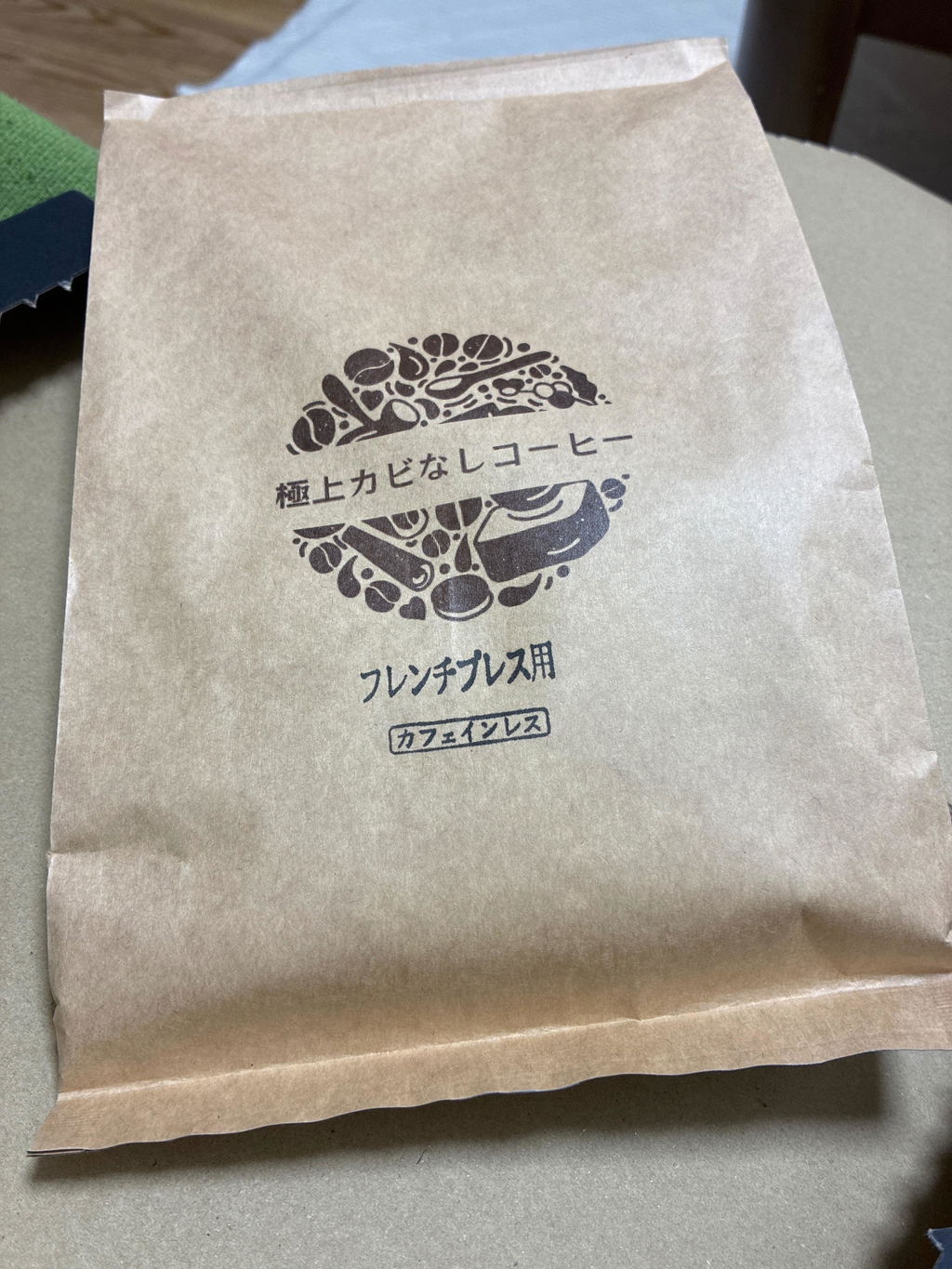
This is our premium mold-free coffee.
The number of people choosing "caffeine-free (decaf)" coffee is increasing year by year, considering the impact on their body and the quality of their sleep. While decaf is a strong ally for relaxing evenings or when you want to reduce caffeine intake, did you know that decaffeinated coffee beans actually have "three major drawbacks" that regular coffee beans don't?
This time, we will explain the lesser-known truth about decaffeinated coffee and how to enjoy genuinely clean decaf while avoiding unnecessary risks, based on objective data.
【"Three Challenges" Faced by Decaffeinated Beans】
-
"Chipped and broken beans" occur overwhelmingly more often.
When observing raw decaffeinated beans, you'll notice a significantly higher number of chipped or broken beans compared to regular raw beans. This is because the process of extracting caffeine from green beans involves a rapid expansion and contraction process: "soaking them in a large amount of water to swell, and then re-drying them." As moisture and internal components are removed, the bean's structure becomes porous, making it prone to breaking during transportation or due to friction and impact at the processing plant. -
Flavor is easily lost, often leading to a weak or off-taste.
Many people find that "decaf tastes somewhat weak, thin, and unsatisfying" because the extraction process to remove caffeine often causes the beans' original rich aroma, umami, and high-quality oils to be lost as well. Furthermore, broken, smaller bean fragments tend to burn during roasting, and when these mix into the brewed coffee, they create a characteristic burnt smell and an unpleasant off-taste. -
Moisture management is difficult, leading to an extremely high risk of "mold toxins."
The biggest concern with decaffeinated beans is the "risk of mold and bacterial growth." Because the green beans undergo a large amount of water treatment once, controlling the humidity during the subsequent drying process and during sea transport becomes extremely difficult.
Mold Risk in Coffee Green Bean Processing and Transport
Coffee green beans that have undergone decaffeination have relaxed cell walls and are more prone to reabsorbing ambient moisture. In environments with inadequate ventilation or temperature/humidity control, there is a higher propensity for strains that produce harmful mycotoxins (mold toxins) such as Ochratoxin A to proliferate. (From technical documents of the European Food Safety Authority (EFSA) and the International Coffee Organization (ICO))
Paradoxically, organic (organically grown) decaf beans, which do not use preservatives or post-harvest pesticides, carry a blind spot: if transport conditions are poorly managed, mold toxins can rapidly develop.
【"Thorough Subtraction" Decaf that Solves All Challenges】
While it's often assumed that "all decaffeinated coffees have safety or taste issues," these three drawbacks can be overcome through meticulous physical subtraction and stringent management.
Our organic decaffeinated coffee adheres strictly to the following processes:
・"Swiss Water Process" to preserve flavor
Caffeine is 99.9% removed using only pure water and activated charcoal filters, without any chemical agents. This process retains the deep richness and sweetness inherent in the beans to the maximum extent.
・Thorough manual removal of broken and chipped beans by artisans
Broken beans and fragments resulting from moisture changes can cause burnt tastes and indigestion during roasting. Therefore, artisans meticulously hand-pick and remove each individual bean both before and after roasting.
・Proof of mold toxin non-detection for all lots
Precisely because decaf beans are prone to mold, each lot is submitted to public and government-certified testing organizations to officially prove "non-detection of mold toxins" with scientific data.
【Summary: A Blissful Moment with a Clean, Worry-Free Cup】
We want those who "want to reduce caffeine but dislike thin, off-tasting coffee" and "want to choose something body-friendly but are concerned about the risk of mold toxins" to experience genuinely clean decaf.
For those who routinely avoid the "four poisons (wheat, vegetable oils, dairy products, and sweets)" to reduce chronic inflammation in their body, a clean cup free of mold toxins and burnt notes will be the perfect partner that gently permeates their system.
Please experience for yourself the transparently deep richness and sense of security that overturns the common belief that "decaf means weak taste and high mold risk."
▼Official Online Shop here https://x.gd/RHWqH
References/Information
・European Food Safety Authority (EFSA) "Scientific Opinion on Mycotoxins in Food and Chronic Exposure Risks"
・International Coffee Organization (ICO) "Guidelines for the Prevention of Mould Formation in Coffee Trade"
・Ministry of Health, Labour and Welfare "Imported Food Inspection System by Registered Inspection Organizations" (Public Quarantine and Ingredient Analysis Standards for Imports)




![Mold-Free Drip Bags: Made with 100% JAS-certified organic beans. [Subscription: 20+ bags receive first month free & discounted prices thereafter]](http://shop.ricochet.co.jp/cdn/shop/files/Visual_Ad-2.png?v=1782308978&width=1080)
![Mold-Free Drip Bags: Made with 100% JAS-certified organic beans. [Subscription: 20+ bags receive first month free & discounted prices thereafter]](http://shop.ricochet.co.jp/cdn/shop/files/2026-02-122.28.04.webp?v=1770830984&width=1080)
![Mold-Free Drip Bags: Made with 100% JAS-certified organic beans. [Subscription: 20+ bags receive first month free & discounted prices thereafter]](http://shop.ricochet.co.jp/cdn/shop/files/2026-02-12_2.28.49.webp?v=1770831008&width=1080)
![Mold-Free Drip Bags: Made with 100% JAS-certified organic beans. [Subscription: 20+ bags receive first month free & discounted prices thereafter]](http://shop.ricochet.co.jp/cdn/shop/files/2026-02-12_2.28.12.webp?v=1770831021&width=1080)
![Mold-Free Drip Bags: Made with 100% JAS-certified organic beans. [Subscription: 20+ bags receive first month free & discounted prices thereafter]](http://shop.ricochet.co.jp/cdn/shop/files/Visual_Ad-2_1800x1800.png?v=1782308978)
![Mold-Free Drip Bags: Made with 100% JAS-certified organic beans. [Subscription: 20+ bags receive first month free & discounted prices thereafter]](http://shop.ricochet.co.jp/cdn/shop/files/2026-02-122.28.04_1800x1800.webp?v=1770830984)
![Mold-Free Drip Bags: Made with 100% JAS-certified organic beans. [Subscription: 20+ bags receive first month free & discounted prices thereafter]](http://shop.ricochet.co.jp/cdn/shop/files/2026-02-12_2.28.49_1800x1800.webp?v=1770831008)
![Mold-Free Drip Bags: Made with 100% JAS-certified organic beans. [Subscription: 20+ bags receive first month free & discounted prices thereafter]](http://shop.ricochet.co.jp/cdn/shop/files/2026-02-12_2.28.12_1800x1800.webp?v=1770831021)


