
[Shortening Your Lifespan?] The Risks of Phosphates and Smart Ways to Drink Coffee If You're a Coffee Lover
Greetings from the Gokujo Kabi Nashi Coffee Secretariat.
Our article on phosphates has been accessed by many, so this time we'll delve deeper, adding more specialized knowledge to create a definitive guide for those pursuing health and performance.
A Hidden Risk That Shortens Lifespan: The Scientific Truth About Coffee and Phosphates
Coffee is inherently a healthy beverage rich in antioxidants, but processed drinks (canned coffee or bottled beverages) that prioritize convenience can contain "hidden liabilities" that threaten our biology. A prime example of this is phosphate, used as a food additive.
SECTION 1: The Absorption Trap: The Decisive Difference Between Natural Phosphorus and Additives
Phosphorus found in coffee beans themselves and phosphates used as additives. While often listed as the same "phosphorus" on ingredient labels, their behavior in the body is completely different.
・Natural Organic Phosphorus
Present within plant cells, it is bound to proteins and other substances. Its absorption rate from the intestinal tract remains at approximately 40 to 60 percent.
・Inorganic Phosphorus Additives (Phosphates)
Phosphates ($PO_4^{3-}$) used as emulsifiers and stabilizers have weak bonds and are absorbed almost 100 percent from the intestinal tract.
In other words, the phosphorus contained in processed beverages is absorbed into the body much more efficiently (in a negative sense) than coffee brewed from beans. This leads to a rapid increase in blood phosphorus levels, resulting in an excessive burden on the kidneys and blood vessels.
SECTION 2: Vascular Calcification and the Rampage of the Aging Hormone FGF23
When blood phosphorus levels become excessive, the body desperately tries to maintain balance. Here, a crucial role is played by a hormone called Fibroblast Growth Factor 23 (FGF23).
Excessive phosphorus intake leads to excessive secretion of FGF23. Recent research suggests that this excessive state of FGF23 may be a factor in accelerating aging.
Furthermore, excess phosphorus combines with calcium to form calcium phosphate, which deposits on the walls of blood vessels. This is vascular calcification. Not only does the loss of vascular flexibility increase the risk of cardiovascular disease, but it also impedes systemic blood flow, potentially leading to a decline in brain performance.
SECTION 3: Calcium Balance: The Importance of the Ca:P Ratio
For our bodies, the ratio of calcium (Ca) to phosphorus (P) is extremely important. An ideal balance is considered to be around $Ca:P = 1:1$, but with modern diets relying on processed foods, phosphorus intake tends to be overwhelmingly excessive.
When a large amount of phosphate is consumed, the body dissolves calcium stored in bones to maintain the blood ratio. This is believed to be linked to the decreased bone density and increased risk of osteoporosis observed in some individuals who frequently drink coffee.
SECTION 4: Smart Choices: Developing the Ability to Read Labels
Regarding the question of "which beverages are high in phosphates," a point also garnering SEO attention, we will provide more specific identification methods.
・Checking Additive Names
If "phosphate (Na)," "emulsifier," "pH adjuster," or "leavening agent" is listed in the ingredients, there is a high possibility that inorganic phosphorus is included. Milk-containing canned coffee and creamer portions, in particular, tend to use these extensively to prevent separation.
・Alternatives to Creamer Portions
Creamer portions provided at drink bars, etc., are processed products that can be described as blocks of phosphate. If you wish to add milk, adding a small amount of unprocessed milk or additive-free soy milk is a wise choice to reduce the burden on your kidneys.
Conclusion: A Pure Cup Creates Future Health
Coffee, when chosen correctly, can be the ultimate biohacking tool. However, if the additives behind convenience are overlooked, its benefits can turn into risks.
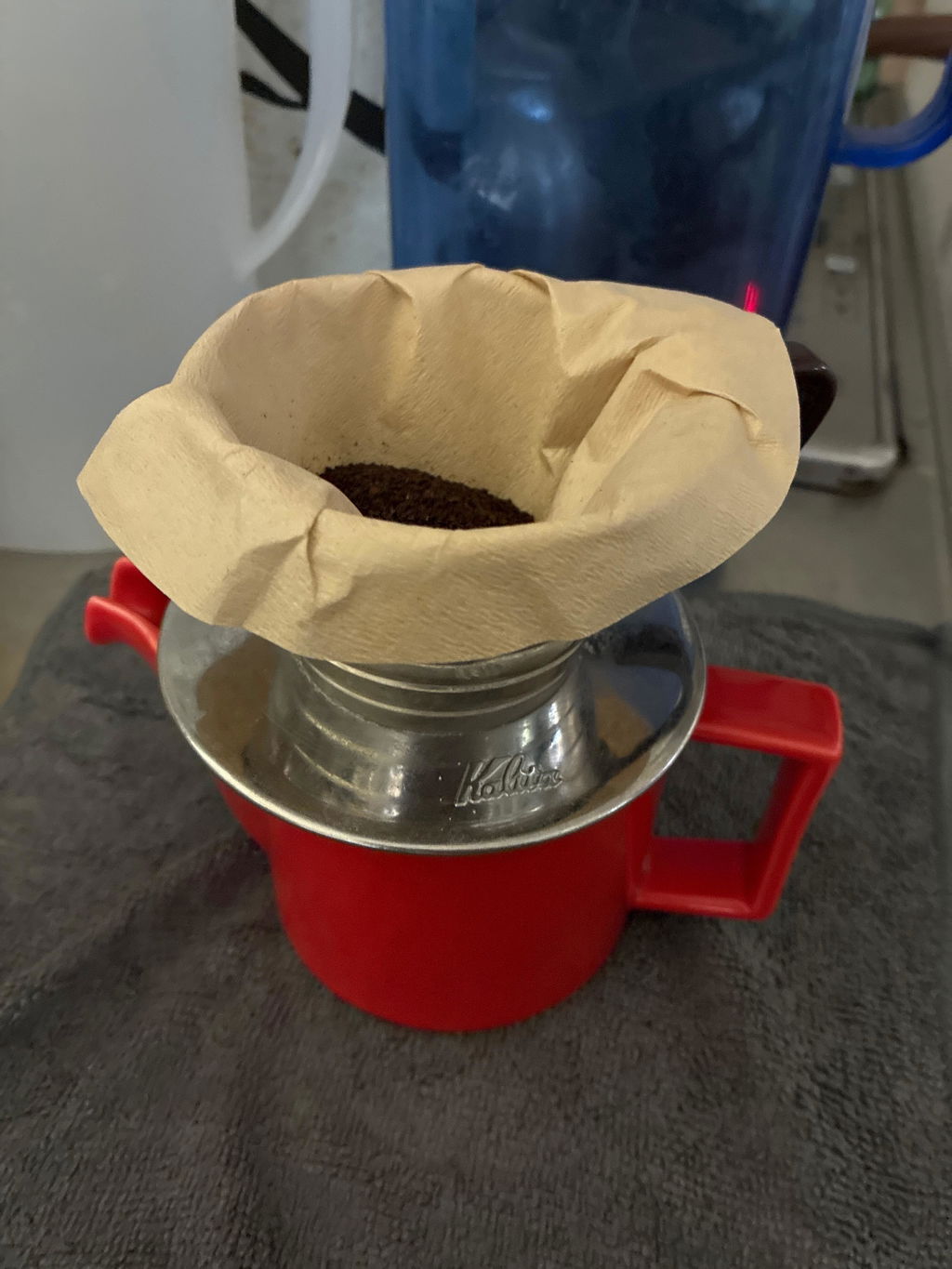
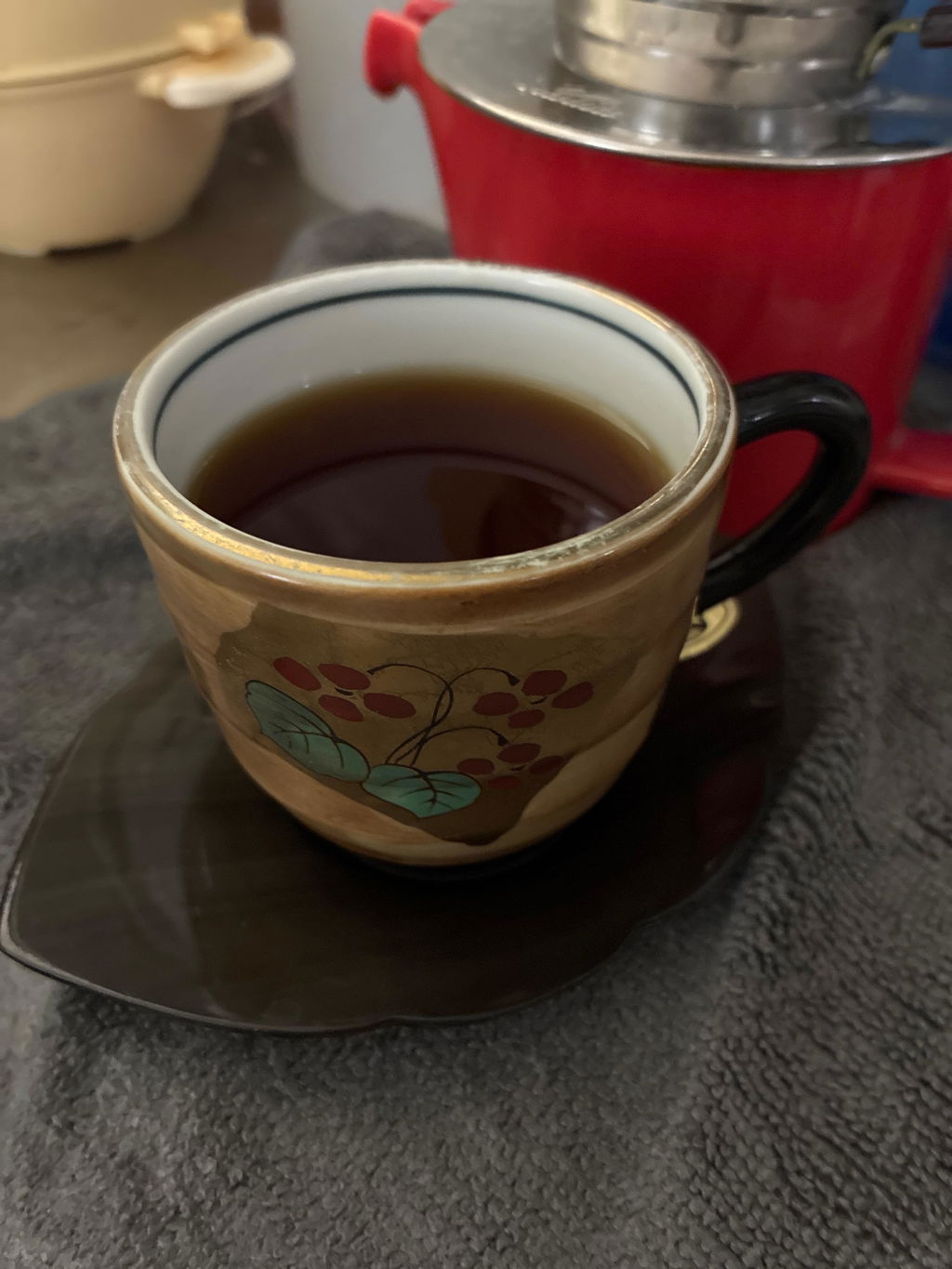
The most reliable way to avoid excessive phosphate intake is to primarily drink additive-free black coffee brewed from beans. By thoroughly eliminating impurities and using clean, tested beans, it is possible to fully enjoy coffee's inherent antioxidant properties.
A thoughtfully chosen cup will protect your blood vessels ten years from now and your mental clarity today.
References
・Kuro-o, M. (2013) Phosphate and the aging process.
・Ritz, E., et al. (2012) Phosphate Additives in Food—a Health Risk.
・Dave Asprey (Author) "The Bulletproof Diet"




![Mold-Free Drip Bags: Made with 100% JAS-certified organic beans. [Subscription: 20+ bags receive first month free & discounted prices thereafter]](http://shop.ricochet.co.jp/cdn/shop/files/Visual_Ad-2.png?v=1782308978&width=1080)
![Mold-Free Drip Bags: Made with 100% JAS-certified organic beans. [Subscription: 20+ bags receive first month free & discounted prices thereafter]](http://shop.ricochet.co.jp/cdn/shop/files/2026-02-122.28.04.webp?v=1770830984&width=1080)
![Mold-Free Drip Bags: Made with 100% JAS-certified organic beans. [Subscription: 20+ bags receive first month free & discounted prices thereafter]](http://shop.ricochet.co.jp/cdn/shop/files/2026-02-12_2.28.49.webp?v=1770831008&width=1080)
![Mold-Free Drip Bags: Made with 100% JAS-certified organic beans. [Subscription: 20+ bags receive first month free & discounted prices thereafter]](http://shop.ricochet.co.jp/cdn/shop/files/2026-02-12_2.28.12.webp?v=1770831021&width=1080)
![Mold-Free Drip Bags: Made with 100% JAS-certified organic beans. [Subscription: 20+ bags receive first month free & discounted prices thereafter]](http://shop.ricochet.co.jp/cdn/shop/files/Visual_Ad-2_1800x1800.png?v=1782308978)
![Mold-Free Drip Bags: Made with 100% JAS-certified organic beans. [Subscription: 20+ bags receive first month free & discounted prices thereafter]](http://shop.ricochet.co.jp/cdn/shop/files/2026-02-122.28.04_1800x1800.webp?v=1770830984)
![Mold-Free Drip Bags: Made with 100% JAS-certified organic beans. [Subscription: 20+ bags receive first month free & discounted prices thereafter]](http://shop.ricochet.co.jp/cdn/shop/files/2026-02-12_2.28.49_1800x1800.webp?v=1770831008)
![Mold-Free Drip Bags: Made with 100% JAS-certified organic beans. [Subscription: 20+ bags receive first month free & discounted prices thereafter]](http://shop.ricochet.co.jp/cdn/shop/files/2026-02-12_2.28.12_1800x1800.webp?v=1770831021)


