
The truth about imported coffee beans and mold problems: A scientific explanation of the risks at each stage, from cultivation to transport and storage.
The Truth About Imported Coffee Beans and Mold Issues: A Scientific Explanation of Risks at Each Stage, from Cultivation to Transport and Storage.
Table of Contents
1. Why are coffee beans susceptible to mold?
2. Mold risk at each import stage
3. Types of mycotoxins and their health effects
4. Current status and challenges of Japan's inspection system
5. Actual contamination data of domestically distributed coffee
6. Risk reduction measures consumers can take
7. Summary: Learn the facts and enjoy safely
8. References and materials
━━━━━━━━━━━━━━━━━━━━━━━━━━━━━━━━━━━━━━━━
Section 01|Why are coffee beans susceptible to mold?
━━━━━━━━━━━━━━━━━━━━━━━━━━━━━━━━━━━━━━━━
Coffee originated in Ethiopia and is now widely cultivated in tropical and subtropical regions around the equator, known as the "coffee belt." While this hot and humid environment is suitable for crop growth, it also provides optimal conditions for mold to proliferate.
Molds (fungi) generally multiply actively at temperatures between 15-35°C and humidity above 70%. The tropical rainforest climate of coffee-producing regions constantly meets these conditions, making green beans particularly vulnerable immediately after harvest. Furthermore, the long-distance sea transport and environmental changes in storage warehouses before reaching Japan further increase the risk of mold contamination.
【Key Point】
Most molds that occur on coffee beans belong to the genera Aspergillus and Penicillium. The toxins collectively known as "mycotoxins" produced by these molds are particularly problematic, and research has shown that they are not completely decomposed even by heat treatment (roasting).
◆ Risks of pesticide-free and organic beans
As interest in organic coffee grows, there are points that require attention.
"Cultivation areas are hot regions with high altitudes and large temperature differences, creating an environment where mold is likely to occur.
In fact, mold is more likely to occur in pesticide-free environments."
── Coffee Roast Club (Roasting Specialist Blog, 2023)
Pesticides have a certain antibacterial and antifungal effect, so pesticide-free cultivation is more susceptible to insect damage, and the risk of mold invading through these wounds increases. Organic cultivation does not necessarily mean a low risk of mold.
━━━━━━━━━━━━━━━━━━━━━━━━━━━━━━━━━━━━━━━━
Section 02|Mold risk at each import stage
━━━━━━━━━━━━━━━━━━━━━━━━━━━━━━━━━━━━━━━━
Coffee beans go through multiple stages from the cultivation site to the consumer's hands in Japan. There is a risk of mold contamination occurring and spreading at each stage.
【Stage ①】Cultivation and Harvesting Risk: Medium to High
──────────────────────────────────
If ripe cherries cannot be harvested uniformly, unripe and overripe beans will be mixed in. In addition, pinholes (perforations) made by the insect "Coffee Berry Borer (CBB)" can serve as entry points for mold.
"Green beans damaged by the insect called CBB (Coffee Berry Borer) often have pinhole damage, and the inside of these holes is frequently contaminated with 'greenish mold-like substances.'"
── Tokotoko Shonan (Specialty Store Blog, 2021)
【Stage ②】Processing (Natural/Washed) Risk: High (especially Natural)
──────────────────────────────────
Mold risk varies greatly depending on the processing method.
Processing Method Method Mold Risk
─────────────────────────────────────────────────
Natural (Dry) Sun-dried with fruit High
Washed (Wet) Washed then dried Moderate
Specialty Natural Dried on African beds Relatively low
While natural processing, where beans are spread directly on the ground for sun-drying, yields rich flavors, it is also susceptible to contamination from the ground and inconsistent drying, which can lead to mold growth.
【Stage ③】Sea Transport (Container Shipping) Risk: High
──────────────────────────────────
Beans are transported by container ship from tropical producing regions to temperate Japan, a journey that takes several weeks to over a month. The main problem during this stage is "condensation." Inside containers, temperatures and humidity fluctuate easily. If condensation occurs on metal walls or hessian bags, the green beans absorb moisture, creating an environment where mold can rapidly grow.
【Important】
According to the All Japan Coffee Fair Trade Council (2019), "green coffee beans that are wet or have condensation during sea transport are ordered to be discarded by the Ministry of Health, Labour and Welfare's imported food quarantine and are never sold domestically as coffee products." However, the possibility of subtle mold contamination being overlooked during quarantine cannot be completely ruled out.
【Stage ④】Warehouse Storage and Pre-Roast Processing Risk: Medium
──────────────────────────────────
After import, mold can also occur in domestic storage warehouses if management is insufficient. The accuracy of hand-picking (manual sorting) before roasting also affects the final product's rate of mold-contaminated beans.
【Stage ⑤】Roasting Risk: Reduced (but incomplete)
──────────────────────────────────
The high-temperature roasting process decomposes and reduces some mycotoxins, but they are not completely eliminated. Ochratoxin A, in particular, is relatively heat-stable and remains.
【Stage ⑥】Home Storage after Purchase Risk: Depends on management
──────────────────────────────────
After opening, coffee beans easily absorb moisture. If not stored in an airtight container, mold can develop even at home. Long-term storage or storage in hot and humid places carries a particularly high risk.
━━━━━━━━━━━━━━━━━━━━━━━━━━━━━━━━━━━━━━━━
Section 03|Types of mycotoxins and their health effects
━━━━━━━━━━━━━━━━━━━━━━━━━━━━━━━━━━━━━━━━
Two types of mycotoxins are particularly problematic in coffee beans.
◆ ① Aflatoxin
A general term for toxins produced by Aspergillus flavus and others. Type B1 is the most toxic and is classified as "Group 1 (carcinogenic to humans)" by the International Agency for Research on Cancer (IARC).
"Aflatoxin causes liver damage in many animals, and long-term intake is said to cause liver cancer. Aflatoxin is highly heat-resistant and is not destroyed by common cooking methods."
── Ministry of Agriculture, Forestry and Fisheries (2017) / Quoted from geefee LAB inspection report
◆ ② Ochratoxin A (OTA)
A toxin produced by Aspergillus ochraceus and Penicillium species, and a particularly important mycotoxin in coffee.
Item Aflatoxin (mainly B1) Ochratoxin A
Producing fungi Aspergillus species Aspergillus species, Penicillium species
Main organ effects Liver (liver cancer) Kidneys (suspected kidney cancer)
IARC carcinogen Group 1 (proven carcinogen) Group 2B (possibly carcinogenic)
Heat stability Very high Moderate (partially decomposed by roasting)
Japan's standard Total 10μg/kg (Food Sanitation Act) ★No standard
EU standard 4μg/kg 5μg/kg (coffee)
"91.7% of green coffee beans are contaminated with some form of mold. However, Ochratoxin A levels are often below standard values."
── Martins et al., 2003 (International academic paper)
【Caution】
Some studies and experts point out that chronic low-level exposure to mycotoxins may cause sudden loss of concentration, stomach discomfort, and fatigue. However, large-scale research data demonstrating a causal relationship for these effects is still limited, and definitive conclusions have not yet been reached.
━━━━━━━━━━━━━━━━━━━━━━━━━━━━━━━━━━━━━━━━
Section 04|Current status and challenges of Japan's inspection system
━━━━━━━━━━━━━━━━━━━━━━━━━━━━━━━━━━━━━━━━
In Japan, quarantine inspections are conducted on imported coffee beans based on the Food Sanitation Act. However, there are significant challenges in this system.
◆ What is being inspected
In imported food quarantine by the Ministry of Health, Labour and Welfare, if the total aflatoxin content (sum of B1, B2, G1, G2) exceeds 10 μg per kg of food, distribution is prohibited as a violation of the Food Sanitation Act.
"Haruo Tsubouchi revealed twenty years ago that aflatoxin B1,
ochratoxin, etc. were detected in green coffee beans. Furthermore, even with heat treatment like roasting, experimental results showed that the amount of toxins was not reduced to a low level of contamination."
── House of Representatives "Written Question on the Safety of Coffee Beans" (170th Diet, 2008)
◆ The Biggest Problem: No Regulation for Ochratoxin A 【Regulatory Blank Spot】
In Japan, no regulatory value has been set for ochratoxin A. Even though the EU has a standard of 5 μg per kg for coffee, ochratoxin A is not even included as an item requiring monitoring under Japan's Food Sanitation Act. Coffee is considered one of the main sources of ochratoxin A contamination, and this regulatory void has been a long-standing concern.
"In Japan, aflatoxin is regulated, but ochratoxin is not currently checked."
── focus-coffee.com (Food Safety Expert Commentary, 2023)
◆ Not Full Inspection
Furthermore, import quarantine is not a full inspection of all lots; it is primarily based on sampling inspections. Since mycotoxin contamination varies from bean to bean (there can be cases where one bean is highly contaminated while an adjacent bean is clean), sampling alone cannot accurately grasp the overall picture of contamination.
━━━━━━━━━━━━━━━━━━━━━━━━━━━━━━━━━━━━━━━━
Section 05|Actual contamination data of domestically distributed coffee
━━━━━━━━━━━━━━━━━━━━━━━━━━━━━━━━━━━━━━━━
There is survey data from independent inspection bodies and experts regarding mycotoxin contamination in commercially available coffee beans in Japan.
◆ geefee LAB Independent Inspection (2019)
Results of measuring aflatoxin and ochratoxin A content in 10 major commercially available coffee bean brands in Japan by an ISO 17025 accredited third-party inspection body:
・Aflatoxin: All samples were significantly below the domestic standard (10μg/kg) (less than 0.5μg/kg)
・Ochratoxin A: Levels were also below the EU standard (5μg/kg)
・However, it was noted that "mycotoxins are naturally occurring, and it is possible that some beans are highly contaminated while others are clean."
◆ Global Contamination Rate Data
Survey Subject Detected Mycotoxin Detection Rate Source
General Market Coffee Ochratoxin A Approx. 50% International Research (multiple)
Brazilian Coffee Ochratoxin A Approx. 30% Brazilian Origin Survey
Decaffeinated Coffee Aflatoxin Approx. 30% European Research
General Green Coffee Beans Any Mold 91.7% Martins et al., 2003
【Caution: Interpretation of figures】
A "detection rate of 50%" merely refers to the proportion where "some amount was detected," and whether it is at a level that affects health is a separate issue. A study in Spain suggested that the amount of ochratoxin A ingested via coffee accounts for only about 3% of the EU's regulated value. The health risk from daily intake is currently considered low.
━━━━━━━━━━━━━━━━━━━━━━━━━━━━━━━━━━━━━━━━
Section 06|Risk reduction measures consumers can take
━━━━━━━━━━━━━━━━━━━━━━━━━━━━━━━━━━━━━━━━
While it is difficult to completely eliminate mycotoxin risk, smart choices and storage methods can significantly reduce it.
◆ Choosing Beans
Choosing specialty coffee is the most effective approach. Specialty-grade beans undergo strict quality evaluations like Cup of Excellence (COE), and the inclusion rate of defective beans (moldy beans, insect-damaged beans) is kept low. Additionally, selecting beans from specialized roasters that explicitly state hand-picking helps reduce the risk of moldy beans being mixed in.
◆ Considering Processing Methods
Washed processed beans generally have a lower mold risk compared to natural processed beans. However, specialty-grade natural beans, having undergone controlled drying on African beds, have their risk mitigated.
◆ Caution with Green Coffee (Green Beans) 【Important】
The recently popular "green coffee" (drinking unroasted beans directly) is not recommended from a mycotoxin risk perspective, as it does not benefit from the heat decomposition effect of roasting on mycotoxins.
◆ Correct Storage Method
・Store in an airtight container, double-sealed.
・Avoid high temperature, high humidity, and direct sunlight (a location with minimal temperature fluctuations is ideal).
・For long-term storage, freezing is effective (but be careful of condensation when removing).
・After opening, use within approximately 2-4 weeks.
・Do not leave a coffee spoon in the container (can cause moisture).
◆ Choosing Decaffeinated Coffee
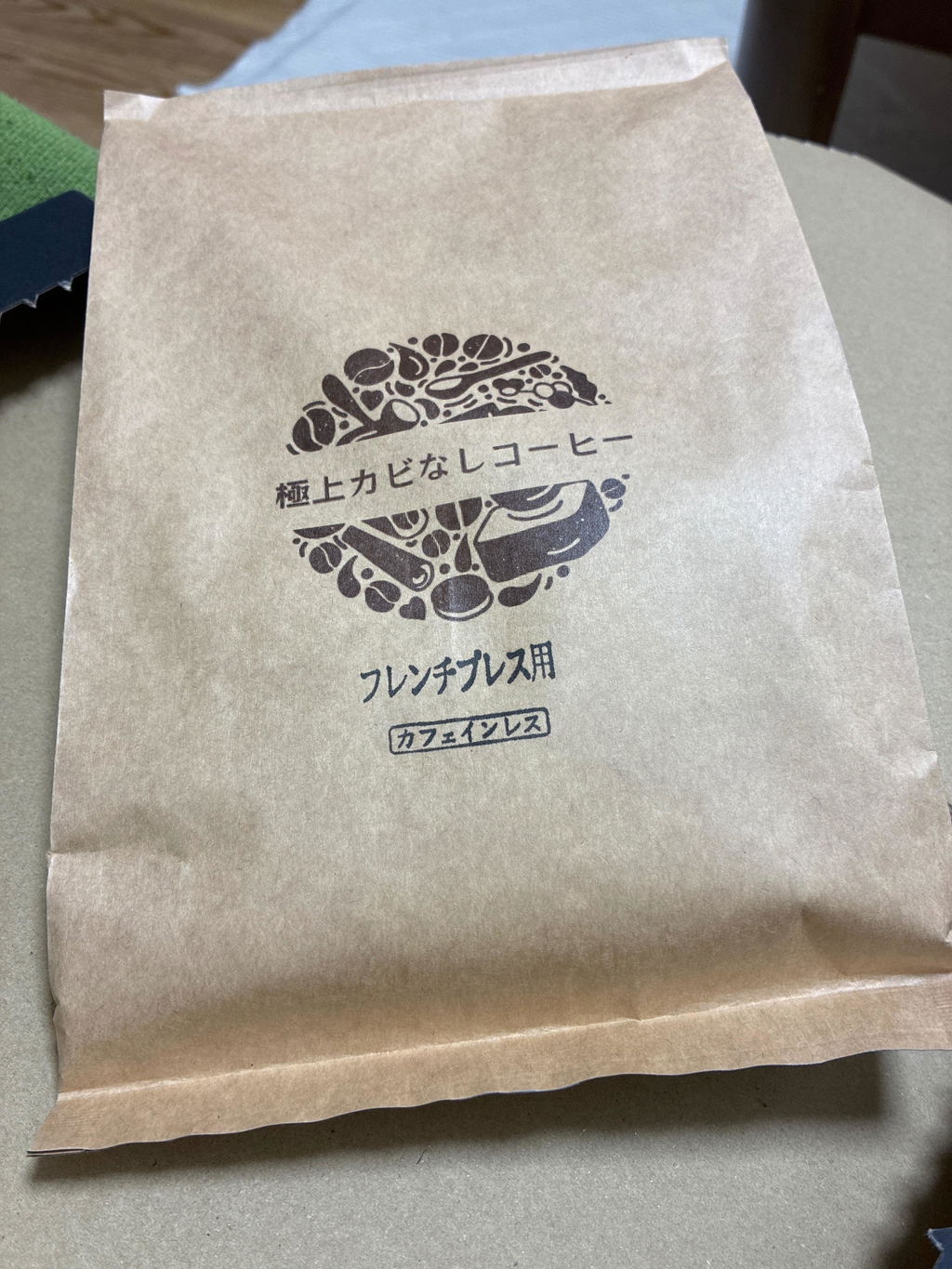
During the decaffeination process, beans can easily absorb moisture, and lower-quality beans tend to be used, so decaffeinated coffee may have a higher mycotoxin risk than regular beans. It is important to choose reputable brands.
━━━━━━━━━━━━━━━━━━━━━━━━━━━━━━━━━━━━━━━━
Section 07|Summary: Learn the facts and enjoy safely
━━━━━━━━━━━━━━━━━━━━━━━━━━━━━━━━━━━━━━━━
Key points of this article
▸ Coffee beans are at risk of mold at all stages: cultivation environment, processing, transport, and storage.
▸ The main mycotoxins are aflatoxin (affecting the liver) and ochratoxin A (affecting the kidneys).
▸ In Japan, there is a regulatory value for aflatoxin, but not for ochratoxin A (EU has 5μg/kg).
▸ Research by Martins et al. (2003) confirmed some mold contamination in 91.7% of green beans,
but the toxin amount is often below the standard value.
▸ Roasting reduces some mycotoxins, but does not completely eliminate them.
▸ Choosing specialty coffee, proper storage, and hand-picked beans can reduce risk.
▸ The health risk from daily intake is currently considered low, but regulatory improvements remain a challenge.
Coffee is one of the most widely consumed beverages in the world, and when provided under appropriate quality control, it is a drink that can be safely enjoyed daily. However, as a consumer, being aware of bean quality, processing methods, and storage environments leads to a more delicious and safer coffee experience.
Furthermore, the Japanese government is urged to set regulatory values for ochratoxin A and strengthen its inspection system as future challenges.
━━━━━━━━━━━━━━━━━━━━━━━━━━━━━━━━━━━━━━━━
References and Materials
━━━━━━━━━━━━━━━━━━━━━━━━━━━━━━━━━━━━━━━━
1. Martins, M.L., et al. (2003). Ochratoxin A in green and roasted coffee from the
Brazilian market and assessment of risk exposure. Food Additives and Contaminants.
2. Ministry of Agriculture, Forestry and Fisheries (2017a). Food Safety Risk Profile Sheet (Chemical Substances):
Aflatoxin.
3. Ministry of Agriculture, Forestry and Fisheries (2017b). Food Safety Risk Profile Sheet (Chemical Substances):
Ochratoxin A.
4. IARC (International Agency for Research on Cancer). IARC Monographs on the Evaluation of Carcinogenic
Risks to Humans. Vol. 82.
5. Food Safety Commission (2007). Food Health Impact Assessment of Ochratoxin A.
6. House of Representatives (170th Diet, 2008). Written Question on the Safety of Coffee Beans.
7. All Japan Coffee Fair Trade Council (July 25, 2019). Opinion on products claiming to be mold-free coffee beans.
8. ISO 10470:2004. Green coffee – Defect reference chart.
International Organization for Standardization.
9. Director of Pharmaceutical and Food Safety Bureau (2011). Aflatoxin and Ochratoxin A Quantification Method (HPLC Method).
Ministry of Health, Labour and Welfare.
10. geefee Limited Liability Partnership (2019). geefee LAB Inspection Series 1:
Mycotoxin Inspection Report for Common Coffee Beans.
━━━━━━━━━━━━━━━━━━━━━━━━━━━━━━━━━━━━━━━━
This article is for general information purposes regarding food safety.
If you have health concerns, please consult a specialist such as a doctor or registered dietitian.
━━━━━━━━━━━━━━━━━━━━━━━━━━━━━━━━━━━━━━━━




![Mold-Free Drip Bags: Made with 100% JAS-certified organic beans. [Subscription: 20+ bags receive first month free & discounted prices thereafter]](http://shop.ricochet.co.jp/cdn/shop/files/Visual_Ad-2.png?v=1782308978&width=1080)
![Mold-Free Drip Bags: Made with 100% JAS-certified organic beans. [Subscription: 20+ bags receive first month free & discounted prices thereafter]](http://shop.ricochet.co.jp/cdn/shop/files/2026-02-122.28.04.webp?v=1770830984&width=1080)
![Mold-Free Drip Bags: Made with 100% JAS-certified organic beans. [Subscription: 20+ bags receive first month free & discounted prices thereafter]](http://shop.ricochet.co.jp/cdn/shop/files/2026-02-12_2.28.49.webp?v=1770831008&width=1080)
![Mold-Free Drip Bags: Made with 100% JAS-certified organic beans. [Subscription: 20+ bags receive first month free & discounted prices thereafter]](http://shop.ricochet.co.jp/cdn/shop/files/2026-02-12_2.28.12.webp?v=1770831021&width=1080)
![Mold-Free Drip Bags: Made with 100% JAS-certified organic beans. [Subscription: 20+ bags receive first month free & discounted prices thereafter]](http://shop.ricochet.co.jp/cdn/shop/files/Visual_Ad-2_1800x1800.png?v=1782308978)
![Mold-Free Drip Bags: Made with 100% JAS-certified organic beans. [Subscription: 20+ bags receive first month free & discounted prices thereafter]](http://shop.ricochet.co.jp/cdn/shop/files/2026-02-122.28.04_1800x1800.webp?v=1770830984)
![Mold-Free Drip Bags: Made with 100% JAS-certified organic beans. [Subscription: 20+ bags receive first month free & discounted prices thereafter]](http://shop.ricochet.co.jp/cdn/shop/files/2026-02-12_2.28.49_1800x1800.webp?v=1770831008)
![Mold-Free Drip Bags: Made with 100% JAS-certified organic beans. [Subscription: 20+ bags receive first month free & discounted prices thereafter]](http://shop.ricochet.co.jp/cdn/shop/files/2026-02-12_2.28.12_1800x1800.webp?v=1770831021)


