
The "Dark Side" Behind a Cup of Coffee and Why We Became Plantation Owners in Rwanda
Thank you for your continued support.
I'm Kamei, the owner of Gokujo Kabi Nashi Coffee.
The cup of coffee you casually drink every day. Did you know that behind its rich aroma lies a serious social issue that needs to be addressed?
Currently, in coffee production sites around the world, especially on farms in developing countries, a structure of "exploitation" such as poor working conditions and child labor still deeply persists.
This time, I will talk about the negative aspects of the coffee industry and how we are addressing these issues.
1. The Reality of "Poor Working Conditions" Supporting a Glamorous Cup
While the market is flooded with low-priced coffee, unbelievable scenes sometimes unfold at production sites.
-
Low Wages and the Poverty Cycle: Due to global price competition, producers are not paid fair compensation, and their livelihoods remain unstable.
-
Safety and Health Hazards: In many workplaces, workers' safety is not protected, such as being made to spray strong pesticides without proper protective equipment.
-
Prevalence of Child Labor: Due to poverty, children cannot attend school and are forced to work on farms, depriving them of valuable educational opportunities.
By choosing coffee solely based on "price," we may unknowingly be contributing to the perpetuation of this exploitative structure.
2. Why We Became Coffee Farm Owners in Rwanda
Questioning this industry structure, we arrived at the answer: "taking direct responsibility for the production site."
We are currently owners of a coffee farm in Rwanda, working with local people to produce coffee. Why operate a farm on the other side of the world? There is a clear purpose behind it.
Creating a system for fair compensation
By eliminating intermediary exploitation and paying fair wages to workers, we are stabilizing their livelihoods. A safe working environment for workers ultimately leads to improved coffee quality.
Protecting the future of children
By strictly prohibiting child labor and supporting educational opportunities, we are challenging ourselves to break the negative cycle.
Safe and Clean Cultivation
To protect the health of workers and the environment, we are pursuing sustainable farming methods. This is an important process directly linked to our goal of achieving "mold-free, clean coffee."
3. Being "Ethical" is Being "High Quality"
Our direct operation of a farm in Rwanda is not merely about social contribution.
Because beans carefully cultivated and meticulously processed in the right environment yield the clearest, healthiest taste. It's not a deliciousness built on someone's sacrifice, but coffee born from a cycle where everyone involved can be happy.
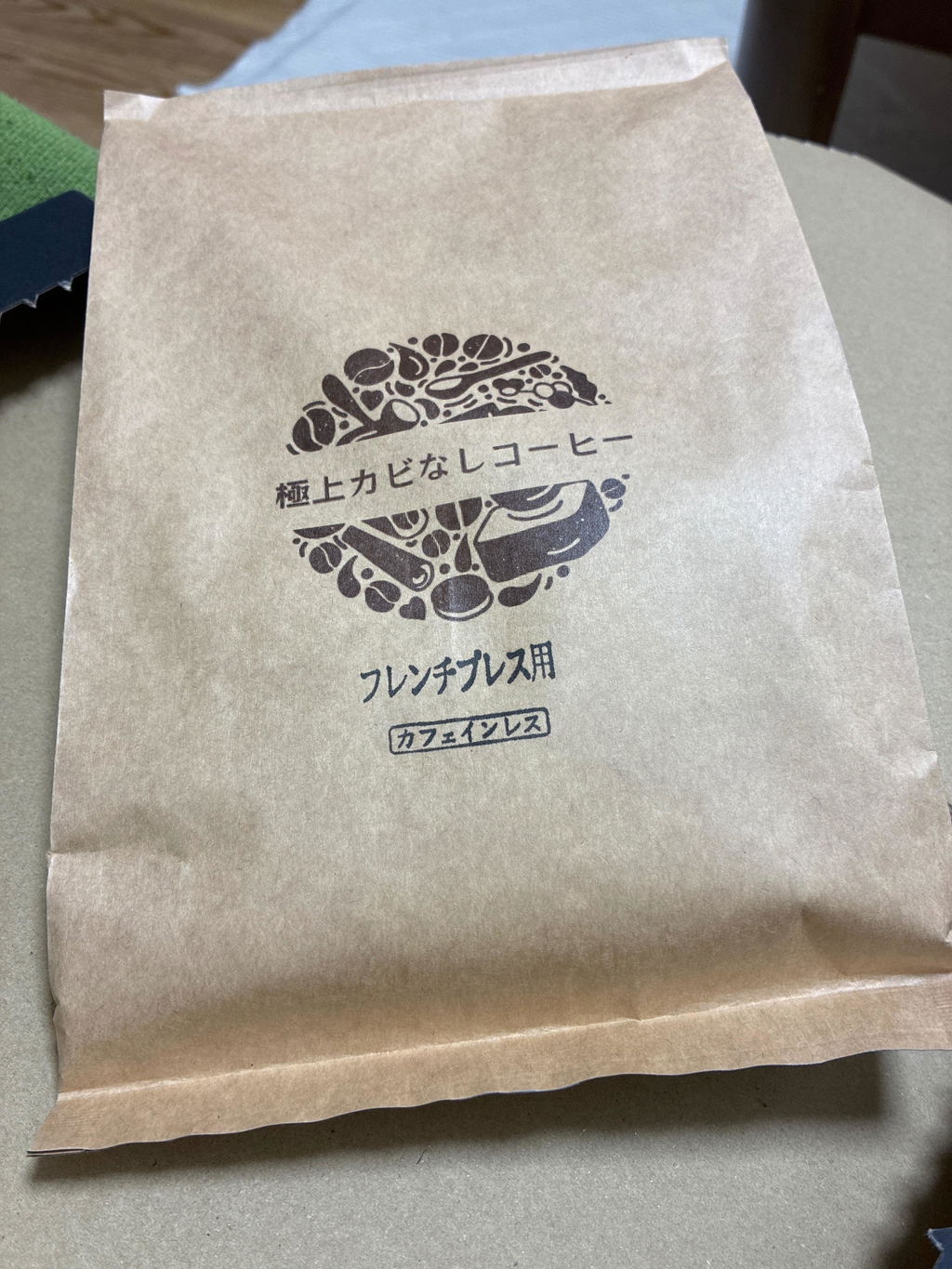
This is the essence of "Gokujo Kabi Nashi Coffee" that we proudly offer.




![Mold-Free Drip Bags: Made with 100% JAS-certified organic beans. [Subscription: 20+ bags receive first month free & discounted prices thereafter]](http://shop.ricochet.co.jp/cdn/shop/files/Visual_Ad-2.png?v=1782308978&width=1080)
![Mold-Free Drip Bags: Made with 100% JAS-certified organic beans. [Subscription: 20+ bags receive first month free & discounted prices thereafter]](http://shop.ricochet.co.jp/cdn/shop/files/2026-02-122.28.04.webp?v=1770830984&width=1080)
![Mold-Free Drip Bags: Made with 100% JAS-certified organic beans. [Subscription: 20+ bags receive first month free & discounted prices thereafter]](http://shop.ricochet.co.jp/cdn/shop/files/2026-02-12_2.28.49.webp?v=1770831008&width=1080)
![Mold-Free Drip Bags: Made with 100% JAS-certified organic beans. [Subscription: 20+ bags receive first month free & discounted prices thereafter]](http://shop.ricochet.co.jp/cdn/shop/files/2026-02-12_2.28.12.webp?v=1770831021&width=1080)
![Mold-Free Drip Bags: Made with 100% JAS-certified organic beans. [Subscription: 20+ bags receive first month free & discounted prices thereafter]](http://shop.ricochet.co.jp/cdn/shop/files/Visual_Ad-2_1800x1800.png?v=1782308978)
![Mold-Free Drip Bags: Made with 100% JAS-certified organic beans. [Subscription: 20+ bags receive first month free & discounted prices thereafter]](http://shop.ricochet.co.jp/cdn/shop/files/2026-02-122.28.04_1800x1800.webp?v=1770830984)
![Mold-Free Drip Bags: Made with 100% JAS-certified organic beans. [Subscription: 20+ bags receive first month free & discounted prices thereafter]](http://shop.ricochet.co.jp/cdn/shop/files/2026-02-12_2.28.49_1800x1800.webp?v=1770831008)
![Mold-Free Drip Bags: Made with 100% JAS-certified organic beans. [Subscription: 20+ bags receive first month free & discounted prices thereafter]](http://shop.ricochet.co.jp/cdn/shop/files/2026-02-12_2.28.12_1800x1800.webp?v=1770831021)


