
The Cost of Low Prices: The "Exploitation Structure" that Harms Workers
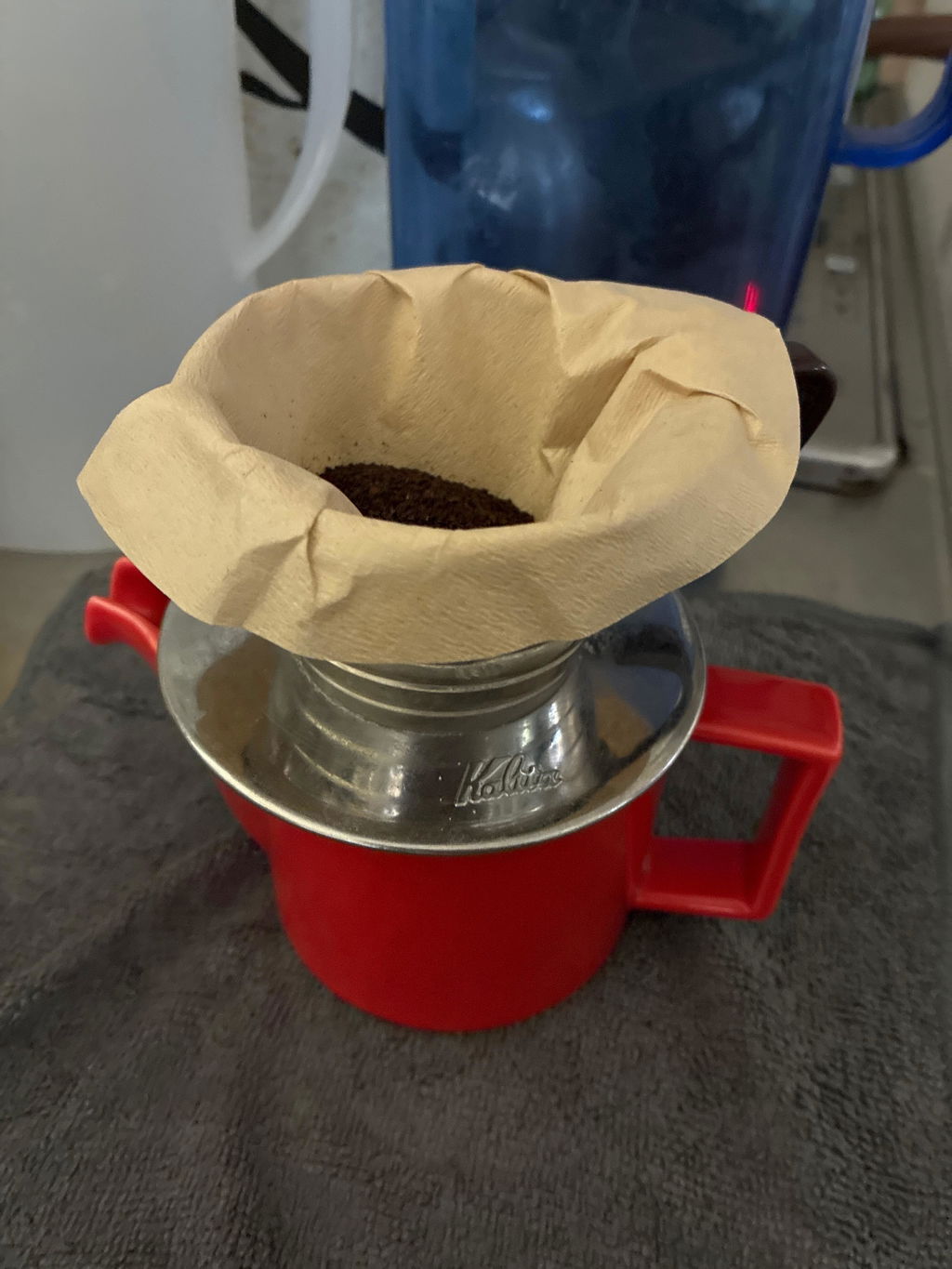
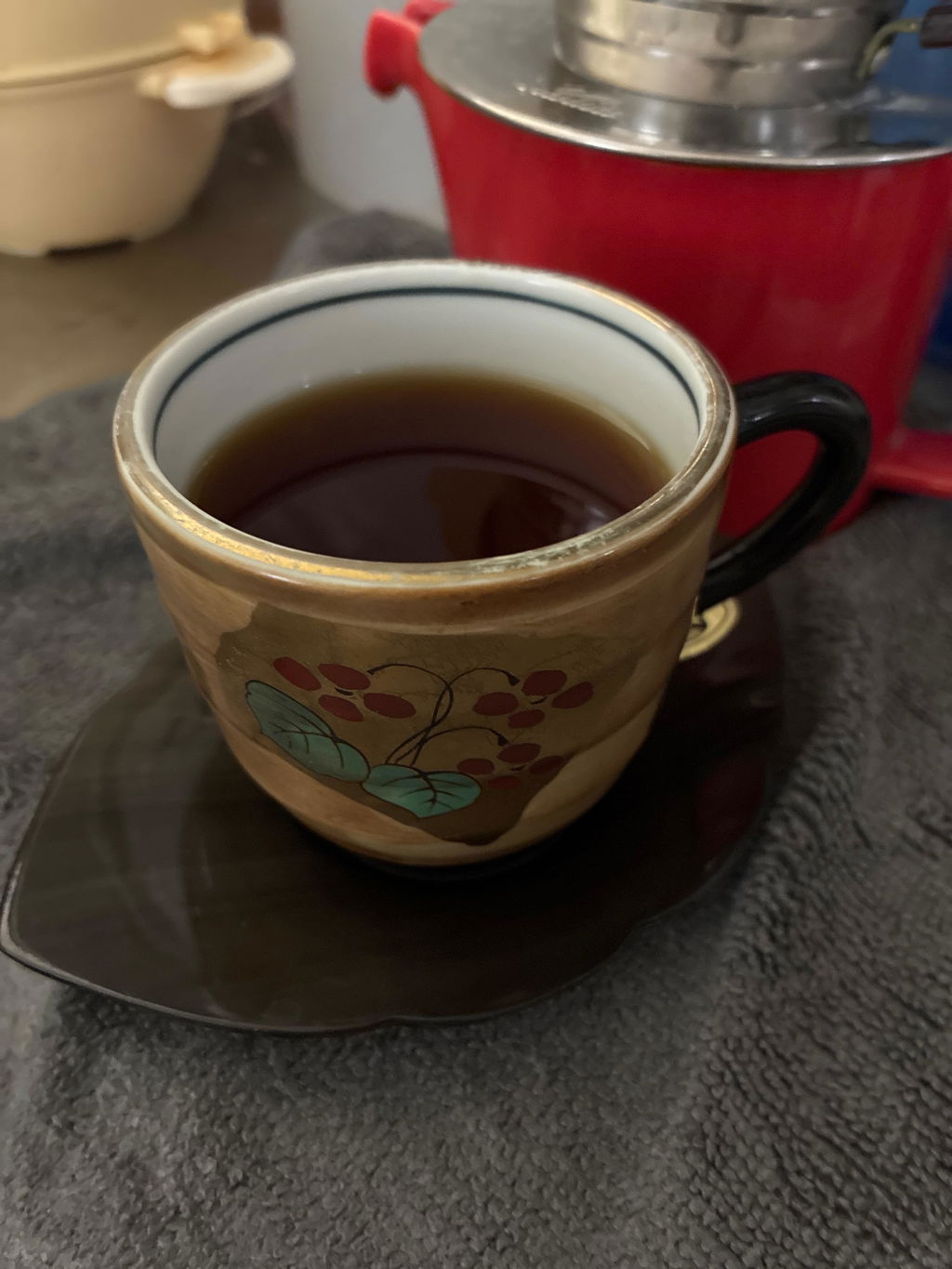
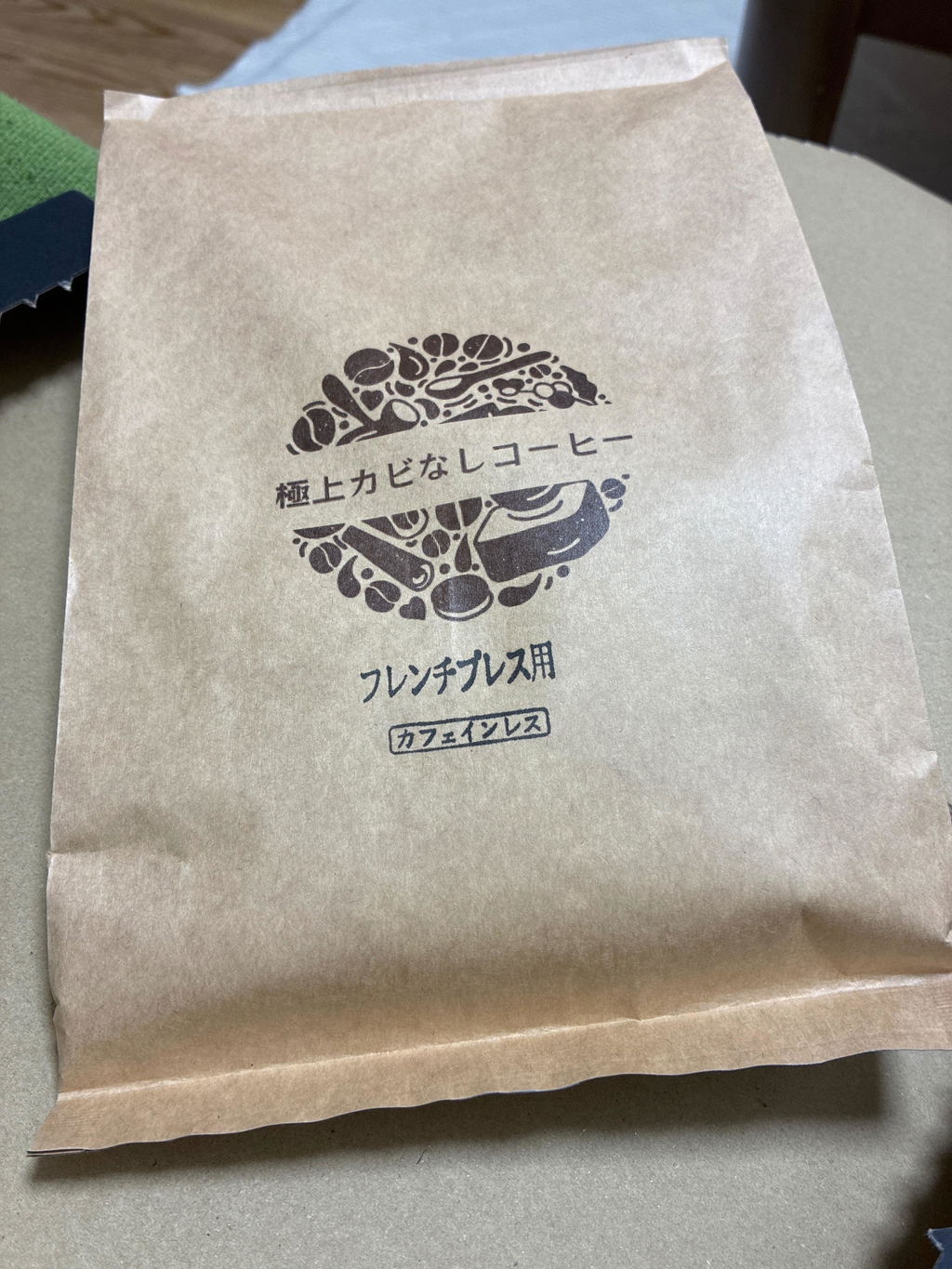
This is premium mold-free coffee.
The foundation of global coffee production is supported by an enormous number of workers in vast plantations in developing countries. However, as long as consumer countries continue to pursue "low prices," the burden first falls on their wages and safety.
1. The never-ending cycle of poverty and "child labor"
Due to unfairly low purchase prices and exploitation by intermediaries, farmers sometimes cannot even earn the minimum income needed to support their families. As a result, "child labor," where children who should be in school are pressed into service as valuable laborers, has become commonplace.
Many consumers are indifferent to how cheap coffee is produced. However, the fact that children are deprived of educational opportunities and engaged in harsh labor behind that single cup is a serious issue that challenges our ethics. (From "The Bulletproof Diet" by Dave Asprey)
2. Poor working conditions and health damage
In plantations where costs are cut to the absolute minimum, investment in worker safety is a secondary concern. Workers suffer from chronic health problems because they are forced to spray powerful pesticides and herbicides without proper protective equipment. This is a human rights violation and a direct cause of increased pesticide residue risk in beans.
Clean beans come from a clean "working environment"
We do not define the "cleanliness" of coffee solely by the results of component analysis (mycotoxins). We believe that the "transparency of its production background" is the basis of its quality.
3. "Direct respect" beyond fair trade
To prevent unfair exploitation, there must be a system where farmers are paid fair compensation. We carefully select beans that have been traded at a fair price from farms where workers can lead sustainable lives and children can attend school.
4. Worker dignity directly linked to "bean quality"
Beans harvested by people who receive fair compensation and work with pride have a significantly higher sorting (hand-picking) accuracy. As a result, the inclusion of moldy beans and defective beans is dramatically reduced, and the highest level of cleanliness is maintained.
Choosing ethically produced coffee is not just an act of goodwill. It is proof that the farm is well-managed, and as a result, it is the most reliable way to obtain "the highest quality beans" free from mycotoxins and impurities. (From "The Bulletproof Diet" by Dave Asprey)
Summary: Your "choice" has the power to stop exploitation
Jumping at low prices alone can unconsciously support this exploitative structure.
-
Poverty, child labor, and the risk of impurities caused by poor conditions.
Or -
Respect for farmers, fair compensation, and ultimate cleanliness through thorough management.
What we want to achieve is not just to improve the performance of drinkers. Through this single cup, we aim to update global working conditions and protect the future of the next generation of children.
The cup you choose helps save someone's life somewhere in the world. That is the true meaning of truly valuable "clean coffee."
References
-
"The Bulletproof Diet" by Dave Asprey
-
International Labour Organization (ILO) "Child labour in the coffee industry."
-
Fairtrade International "Coffee production and workers' rights."




![Mold-Free Drip Bags: Made with 100% JAS-certified organic beans. [Subscription: 20+ bags receive first month free & discounted prices thereafter]](http://shop.ricochet.co.jp/cdn/shop/files/Visual_Ad-2.png?v=1782308978&width=1080)
![Mold-Free Drip Bags: Made with 100% JAS-certified organic beans. [Subscription: 20+ bags receive first month free & discounted prices thereafter]](http://shop.ricochet.co.jp/cdn/shop/files/2026-02-122.28.04.webp?v=1770830984&width=1080)
![Mold-Free Drip Bags: Made with 100% JAS-certified organic beans. [Subscription: 20+ bags receive first month free & discounted prices thereafter]](http://shop.ricochet.co.jp/cdn/shop/files/2026-02-12_2.28.49.webp?v=1770831008&width=1080)
![Mold-Free Drip Bags: Made with 100% JAS-certified organic beans. [Subscription: 20+ bags receive first month free & discounted prices thereafter]](http://shop.ricochet.co.jp/cdn/shop/files/2026-02-12_2.28.12.webp?v=1770831021&width=1080)
![Mold-Free Drip Bags: Made with 100% JAS-certified organic beans. [Subscription: 20+ bags receive first month free & discounted prices thereafter]](http://shop.ricochet.co.jp/cdn/shop/files/Visual_Ad-2_1800x1800.png?v=1782308978)
![Mold-Free Drip Bags: Made with 100% JAS-certified organic beans. [Subscription: 20+ bags receive first month free & discounted prices thereafter]](http://shop.ricochet.co.jp/cdn/shop/files/2026-02-122.28.04_1800x1800.webp?v=1770830984)
![Mold-Free Drip Bags: Made with 100% JAS-certified organic beans. [Subscription: 20+ bags receive first month free & discounted prices thereafter]](http://shop.ricochet.co.jp/cdn/shop/files/2026-02-12_2.28.49_1800x1800.webp?v=1770831008)
![Mold-Free Drip Bags: Made with 100% JAS-certified organic beans. [Subscription: 20+ bags receive first month free & discounted prices thereafter]](http://shop.ricochet.co.jp/cdn/shop/files/2026-02-12_2.28.12_1800x1800.webp?v=1770831021)


