
[Scientific Evidence] The Cause of Poor Health? The Chronic Harmful Effects of Mycotoxins in Food on the Human Body
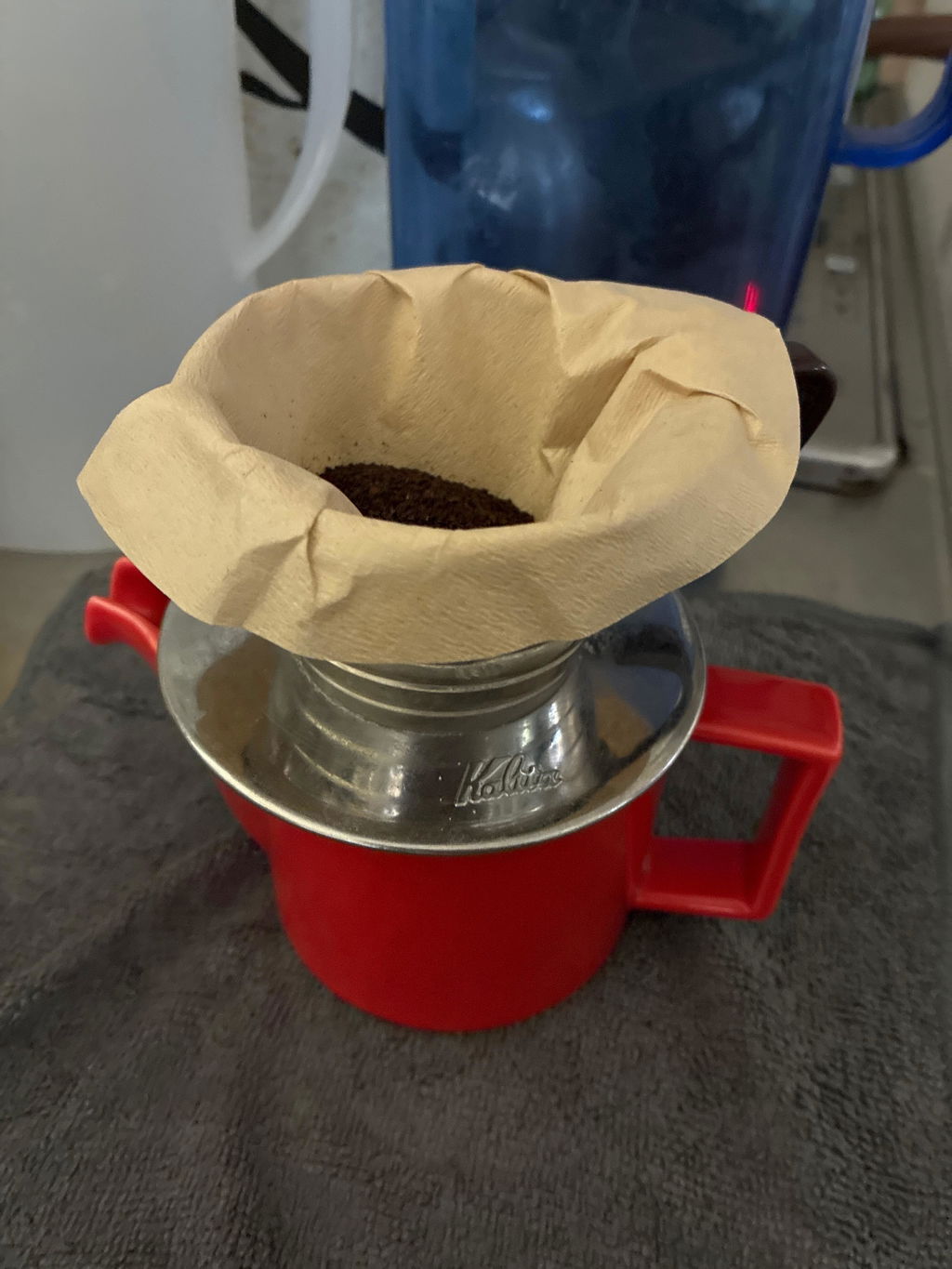
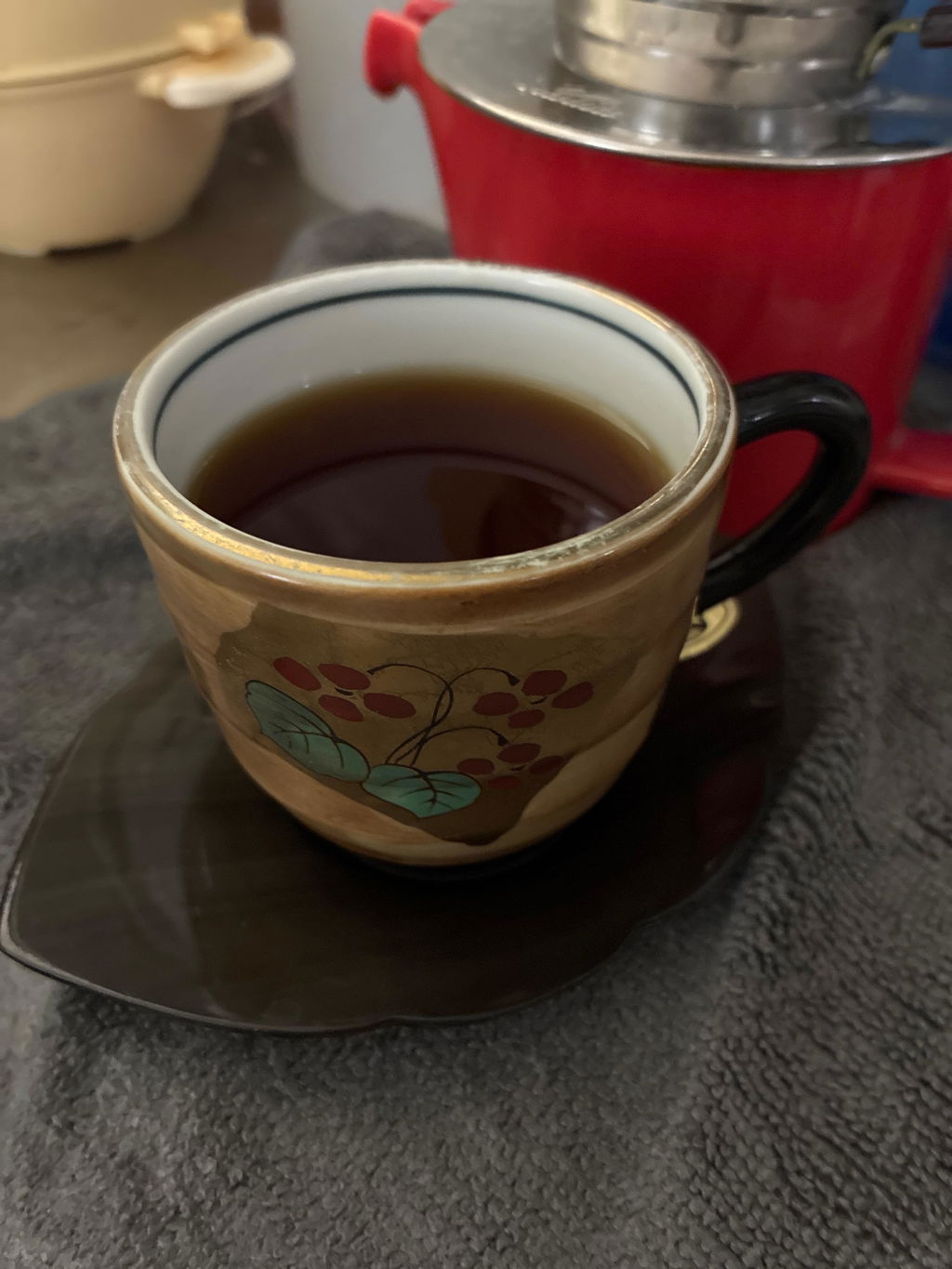
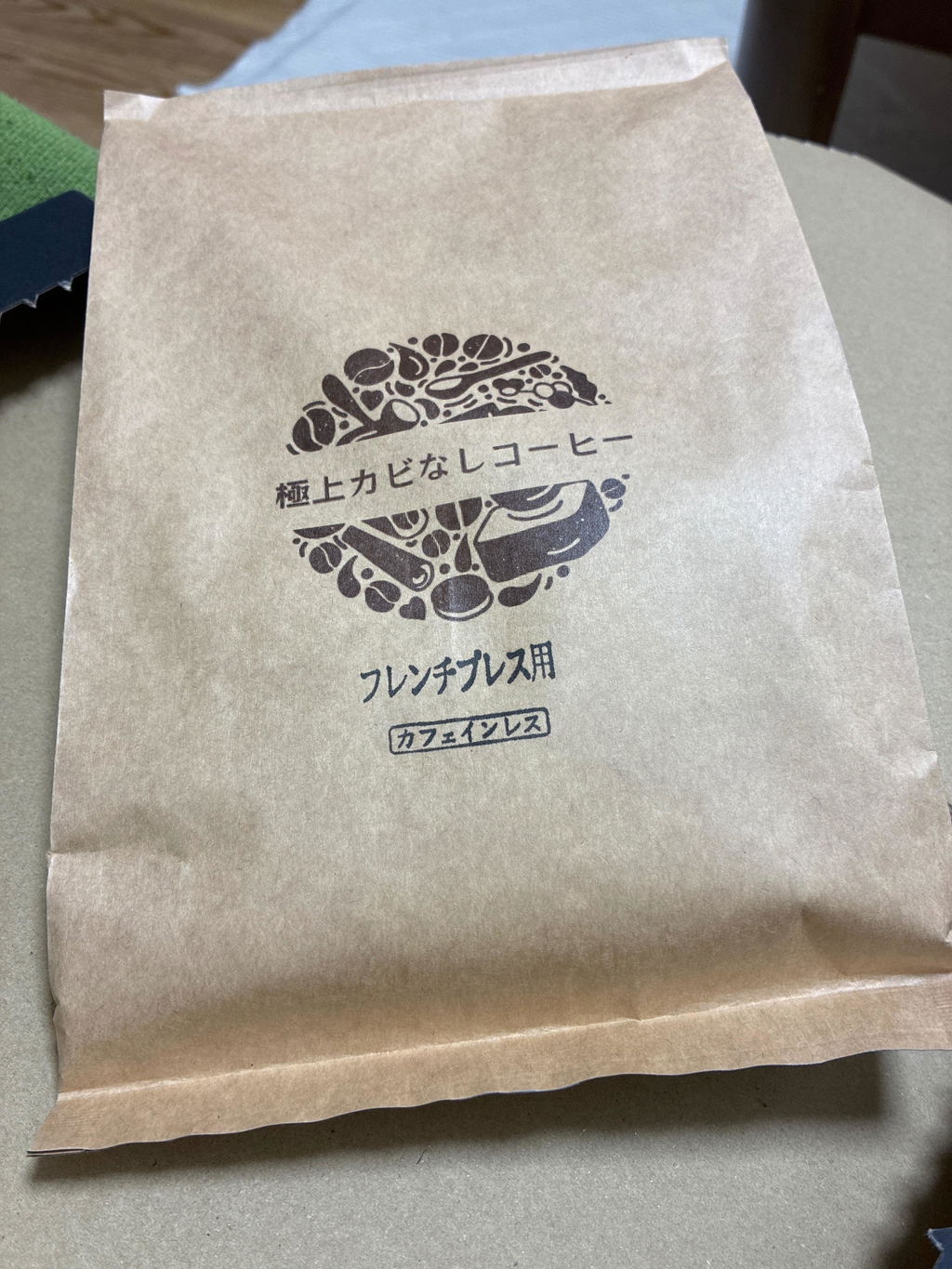
This is premium mold-free coffee.
The grains, nuts, and foods like coffee that we consume daily may contain trace amounts of harmful substances called "mycotoxins."
This time, we will explain the risks and countermeasures regarding the effects of these mycotoxins on the human body, supported by research results and statistics.
1. What are Mycotoxins? Harmful Substances Monitored Worldwide
Mycotoxins are secondary metabolites produced by specific molds (fungi) and are substances monitored by international food safety organizations. The two types of particular concern are:
-
Ochratoxin A (OTA): Primarily detected in coffee beans, grains, and dried fruits, research suggests it has strong kidney toxicity (nephrotoxicity).
-
Aflatoxin: Produced by molds found mainly in nuts and grains, it is known to have strong carcinogenicity and is particularly cautioned against by the WHO (World Health Organization).
2. Shocking Facts Revealed by Research: Mycotoxin Contamination in Food
Many studies and research institutions are sounding the alarm about exposure to mycotoxins from daily food intake.
Detection Rates in Marketed Foods
According to multiple survey data, it has been reported that ochratoxin A is detected in over 50% of coffee beans circulating in the market. Furthermore, for instant coffee, some research indicates detection in almost all samples surveyed.
While these results often fall within "acceptable ranges" under general food safety standards, experts continue to debate the chronic effects of long-term, daily consumption.
3. Chronic Effects of Mycotoxins on the Human Body
The danger of mycotoxins lies not in acute poisoning, but in the chronic effects of long-term exposure to low doses. The following points are of particular concern:
Strain on Internal Organs such as Liver and Kidneys
Research suggests that Ochratoxin A tends to accumulate in the kidneys and Aflatoxin in the liver, potentially leading to organ dysfunction due to long-term strain.
Weakened Immune Function and Chronic Fatigue
It is pointed out that mycotoxins in the body can affect the barrier function of the gastrointestinal tract and disrupt the balance of the immune system. This can contribute to unexplained chronic fatigue and poor health.
Effects on Neurological Function
Some studies also suggest the possibility that certain mycotoxins affect the nervous system, exhibiting neurotoxicity such as reduced concentration and cognitive impairment (brain fog).
4. Countermeasures: The Importance of Choosing Clean Foods
While there's no need to be overly fearful of mycotoxins in foods like coffee, it's important to choose foods that are as clean as possible to maintain daily health.
-
Bean Quality: Choose high-quality foods that undergo proper processing (such as washing) and thorough sorting (hand-picking).
-
Reliability: Choose brands that publicly state they eliminate the risk of mycotoxins through testing by third-party organizations.
Our "Premium Mold-Free Coffee" is committed to quality control to thoroughly eliminate this mycotoxin risk, ensuring our customers can safely enjoy only the inherent health benefits of coffee.




![Mold-Free Drip Bags: Made with 100% JAS-certified organic beans. [Subscription: 20+ bags receive first month free & discounted prices thereafter]](http://shop.ricochet.co.jp/cdn/shop/files/Visual_Ad-2.png?v=1782308978&width=1080)
![Mold-Free Drip Bags: Made with 100% JAS-certified organic beans. [Subscription: 20+ bags receive first month free & discounted prices thereafter]](http://shop.ricochet.co.jp/cdn/shop/files/2026-02-122.28.04.webp?v=1770830984&width=1080)
![Mold-Free Drip Bags: Made with 100% JAS-certified organic beans. [Subscription: 20+ bags receive first month free & discounted prices thereafter]](http://shop.ricochet.co.jp/cdn/shop/files/2026-02-12_2.28.49.webp?v=1770831008&width=1080)
![Mold-Free Drip Bags: Made with 100% JAS-certified organic beans. [Subscription: 20+ bags receive first month free & discounted prices thereafter]](http://shop.ricochet.co.jp/cdn/shop/files/2026-02-12_2.28.12.webp?v=1770831021&width=1080)
![Mold-Free Drip Bags: Made with 100% JAS-certified organic beans. [Subscription: 20+ bags receive first month free & discounted prices thereafter]](http://shop.ricochet.co.jp/cdn/shop/files/Visual_Ad-2_1800x1800.png?v=1782308978)
![Mold-Free Drip Bags: Made with 100% JAS-certified organic beans. [Subscription: 20+ bags receive first month free & discounted prices thereafter]](http://shop.ricochet.co.jp/cdn/shop/files/2026-02-122.28.04_1800x1800.webp?v=1770830984)
![Mold-Free Drip Bags: Made with 100% JAS-certified organic beans. [Subscription: 20+ bags receive first month free & discounted prices thereafter]](http://shop.ricochet.co.jp/cdn/shop/files/2026-02-12_2.28.49_1800x1800.webp?v=1770831008)
![Mold-Free Drip Bags: Made with 100% JAS-certified organic beans. [Subscription: 20+ bags receive first month free & discounted prices thereafter]](http://shop.ricochet.co.jp/cdn/shop/files/2026-02-12_2.28.12_1800x1800.webp?v=1770831021)


