
The Science of Aflatoxin Processing by the Liver and Kidneys
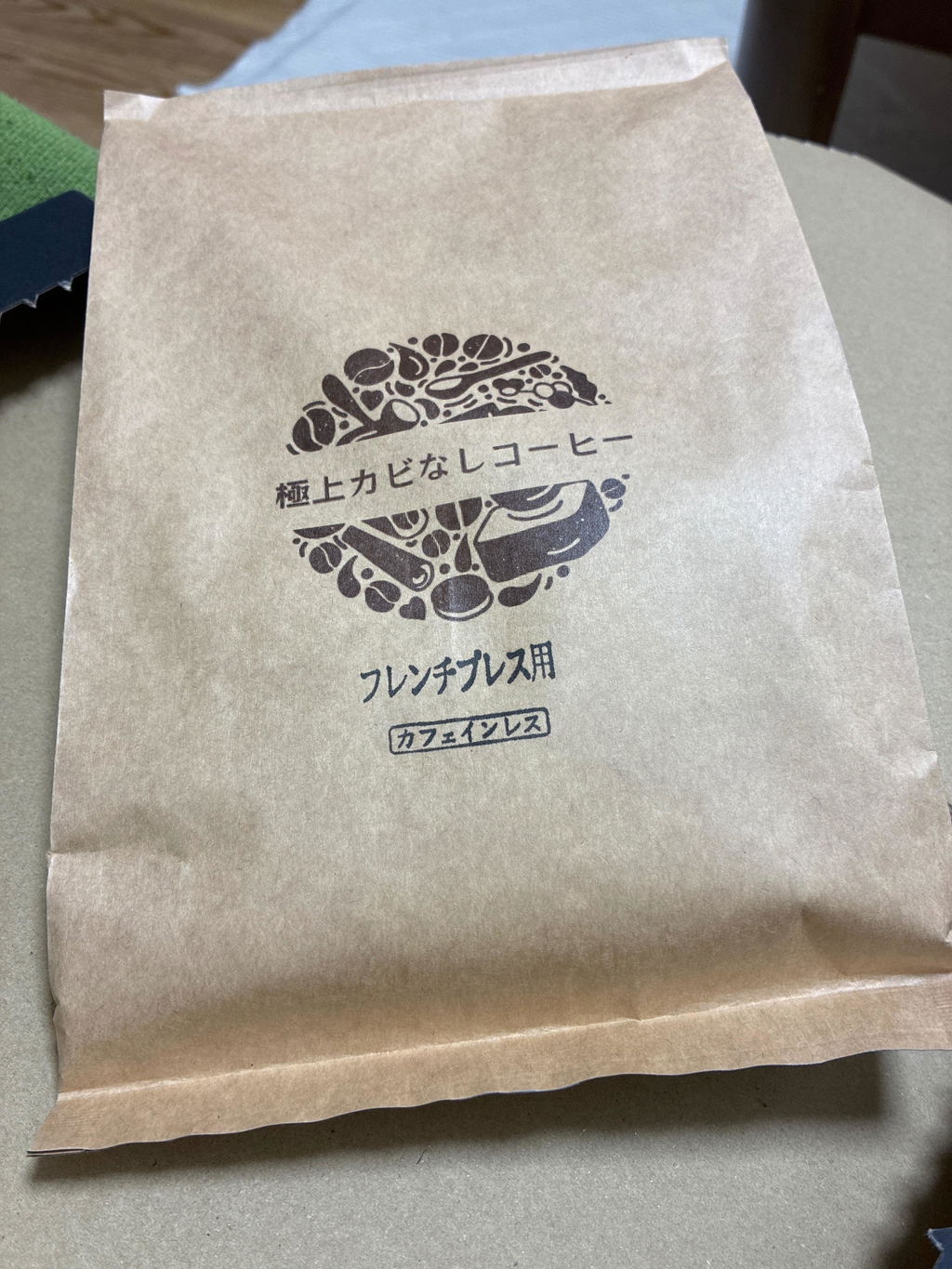
This is extreme mold-free coffee.
Our bodies have a powerful defense system to combat various harmful substances absorbed from food and the environment. This is the "detoxification function," primarily carried out by the liver and kidneys through the process of detoxification and excretion. Taking mycotoxins (especially ochratoxin A), which can be ingested daily, as an example, we will explain how these organs protect the body and how to support their function.
1. The Liver: The Main Player in Detoxification – How the Detoxification Factory Works
The liver is the most important detoxification organ in the body. The process of neutralizing harmful substances proceeds in two main stages:
-
Phase 1 Reaction (Oxidation, Reduction, Hydroxylation): This prepares fat-soluble harmful substances (such as mycotoxins) for the next stage by attaching hydroxyl groups (-OH), etc. Since reactive oxygen species are easily generated during this process, the presence of antioxidants (vitamins C, E, etc.) is crucial.
-
Phase 2 Reaction (Conjugation): In this stage, components such as glutathione, sulfuric acid, and glucuronic acid are combined with the substances processed in Phase 1, making them completely water-soluble and non-toxic. This "conjugation" makes mycotoxins easier to excrete.
Mycotoxins like ochratoxin A are prepared for excretion from the body through this liver process.
2. The Kidneys: The Final Stage of Detoxification – Role of the Excretion Filter
Harmful substances that have become water-soluble in the liver are transported to the kidneys via the blood.
The kidneys filter the blood, reabsorbing necessary nutrients and excreting unnecessary waste products and toxins as urine.
-
Mycotoxins and Kidneys: Ochratoxin A, a mycotoxin, is known to accumulate easily in the kidneys, and long-term, high intake can burden kidney function. Therefore, to reduce the burden on the kidneys, it is important to reduce the intake of mycotoxins in the first place.
3. What You Can Do to Support Detoxification Function
To ensure the smooth functioning of detoxification, lifestyle habits that support the liver and kidneys are essential.
-
Reduce intake of harmful substances: This is the most fundamental and important measure. Consciously avoiding harmful substances ingested daily, such as food additives, pesticides, and mycotoxins, directly reduces the burden on organs.
-
Hydration: Sufficient intake of water (especially clean water) is essential to aid kidney function and promote the excretion of toxins.
-
Nutrient intake: Consume a balanced diet of protein, vitamins, and minerals, which are the building blocks for glutathione needed in the liver's Phase 2 reaction.
4. Why Choosing Mold-Free Coffee Helps with Detoxification
The coffee you drink every day has a significant impact on your detoxification function.
Regular coffee beans may contain mycotoxins due to storage and transportation conditions. Continuously ingesting these will cause the liver to constantly expend energy detoxifying mycotoxins.
Benefits of choosing mold-free coffee:
-
Reduced burden: By choosing mold-free coffee that meets strict inspection standards, the total amount of toxins the liver has to process is reduced, allowing it to focus on its original metabolic functions and other detoxification tasks.
-
Antioxidant effects: Antioxidants contained in coffee itself, such as chlorogenic acid, suppress reactive oxygen species that are easily generated during the liver's Phase 1 reaction, indirectly supporting the detoxification process.
Summary
The body's detoxification function is a powerful shield that protects our health. To take care of your liver and kidneys, it is important to be mindful of minimizing the intake of harmful substances in your daily diet. Mold-free coffee can be a smart choice to support your healthy lifestyle.




![Mold-Free Drip Bags: Made with 100% JAS-certified organic beans. [Subscription: 20+ bags receive first month free & discounted prices thereafter]](http://shop.ricochet.co.jp/cdn/shop/files/Visual_Ad-2.png?v=1782308978&width=1080)
![Mold-Free Drip Bags: Made with 100% JAS-certified organic beans. [Subscription: 20+ bags receive first month free & discounted prices thereafter]](http://shop.ricochet.co.jp/cdn/shop/files/2026-02-122.28.04.webp?v=1770830984&width=1080)
![Mold-Free Drip Bags: Made with 100% JAS-certified organic beans. [Subscription: 20+ bags receive first month free & discounted prices thereafter]](http://shop.ricochet.co.jp/cdn/shop/files/2026-02-12_2.28.49.webp?v=1770831008&width=1080)
![Mold-Free Drip Bags: Made with 100% JAS-certified organic beans. [Subscription: 20+ bags receive first month free & discounted prices thereafter]](http://shop.ricochet.co.jp/cdn/shop/files/2026-02-12_2.28.12.webp?v=1770831021&width=1080)
![Mold-Free Drip Bags: Made with 100% JAS-certified organic beans. [Subscription: 20+ bags receive first month free & discounted prices thereafter]](http://shop.ricochet.co.jp/cdn/shop/files/Visual_Ad-2_1800x1800.png?v=1782308978)
![Mold-Free Drip Bags: Made with 100% JAS-certified organic beans. [Subscription: 20+ bags receive first month free & discounted prices thereafter]](http://shop.ricochet.co.jp/cdn/shop/files/2026-02-122.28.04_1800x1800.webp?v=1770830984)
![Mold-Free Drip Bags: Made with 100% JAS-certified organic beans. [Subscription: 20+ bags receive first month free & discounted prices thereafter]](http://shop.ricochet.co.jp/cdn/shop/files/2026-02-12_2.28.49_1800x1800.webp?v=1770831008)
![Mold-Free Drip Bags: Made with 100% JAS-certified organic beans. [Subscription: 20+ bags receive first month free & discounted prices thereafter]](http://shop.ricochet.co.jp/cdn/shop/files/2026-02-12_2.28.12_1800x1800.webp?v=1770831021)


